Researchers from Mallorca identify unique epigenetic alterations in tumours from cancer survivors that may explain their increased aggressiveness
An international study led by the Health Research Institute of the Balearic Islands (IdISBa) reveals signs of accelerated biological ageing in breast cancers developed after overcoming a previous cancer.
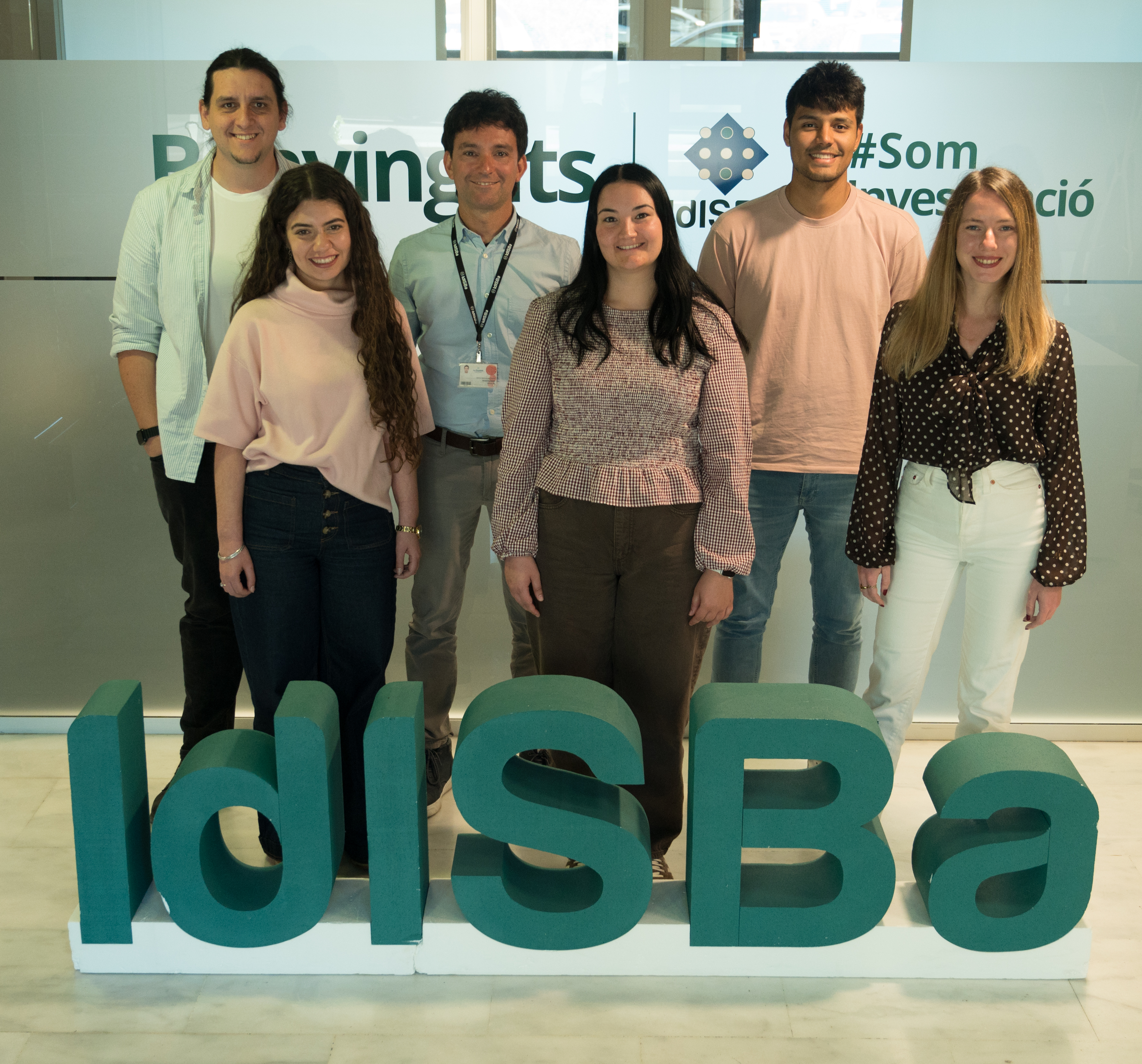
Palma, June 2, 2026.- The study, published this week, shows that these tumours present characteristic epigenetic marks, that is, molecular changes that alter gene function without modifying the DNA sequence. In addition, researchers identified signals consistent with accelerated biological ageing in tumour cells.
“As cancer survival increases, more and more patients develop a second tumour years after overcoming the disease. This second tumour is not a metastasis of the previous one, but a new disease. For years, it has been observed that these secondary breast tumours have a worse prognosis than primary tumours, but the biological basis explaining this remained unknown,” explains Diego Marzese, project researcher and director of the Cancer Epigenetics Laboratory at IdISBa.
“These alterations could be related to the accumulated impact of the previous cancer, its treatments, and processes associated with accelerated biological ageing,” says Andrés F. Bedoya-López, first author of the study.
The study represents the culmination of a research line initiated in 2017 by Dr. Marzese’s team together with surgeons and oncologists from the Saint John’s Cancer Institute in Los Angeles. Those early studies suggested that breast tumours developed after a previous cancer could have distinct molecular characteristics. The new research confirms and expands these observations through high-resolution epigenomic analyses conducted in independent patient cohorts.
“Our results suggest that these tumours may retain epigenetic ‘scars’ associated with the previous cancer or its treatments. One hypothesis we now want to explore is whether part of this accelerated biological ageing could be linked to the cumulative impact of treatments such as chemotherapy or radiotherapy, although specifically designed studies will be needed to answer this question,” adds Diego Marzese.
Apparently similar tumours, but biologically different
Although the analysed tumours shared similar clinical characteristics, the study identified relevant differences in their molecular profile. In particular, researchers observed epigenetic alterations associated with genes involved in hormonal signalling, a key process in many breast cancers and a determinant factor in their treatment.
The study also detected signals consistent with increased biological ageing of tumour cells, a finding that researchers believe may reflect the cumulative effect of factors related to the previous cancer and its clinical context.
Towards a better understanding of cancer survivorship
Researchers believe these findings may contribute to the development of more personalised follow-up and treatment strategies for cancer survivors.
Furthermore, the study opens a new line of research focused on understanding how oncological treatments may influence long-term biological ageing and why some individuals appear more vulnerable than others to these effects.
This research has been funded, in part, by the Carlos III Health Institute (ISCIII), the European Union, the Government of the Balearic Islands, the Health Research Institute of the Balearic Islands (IdISBa), the Balearic Islands Employment Service (SOIB), and the Spanish Association Against Cancer (AECC).