
Description | Molecular Imaging and Mass Spectrometry Platform (PT-IMEM)
Description
The Molecular Imaging and Mass Spectrometry Platform provides advanced capabilities for the spatial characterization of molecules in biological tissues, delivering key information for biomedical research, translational studies, and related fields such as pharmacology, microbiology, and biotechnology.
Its versatility allows both targeted and exploratory studies, facilitating biomarker identification, the definition of molecular signatures, and the study of complex pathological mechanisms.
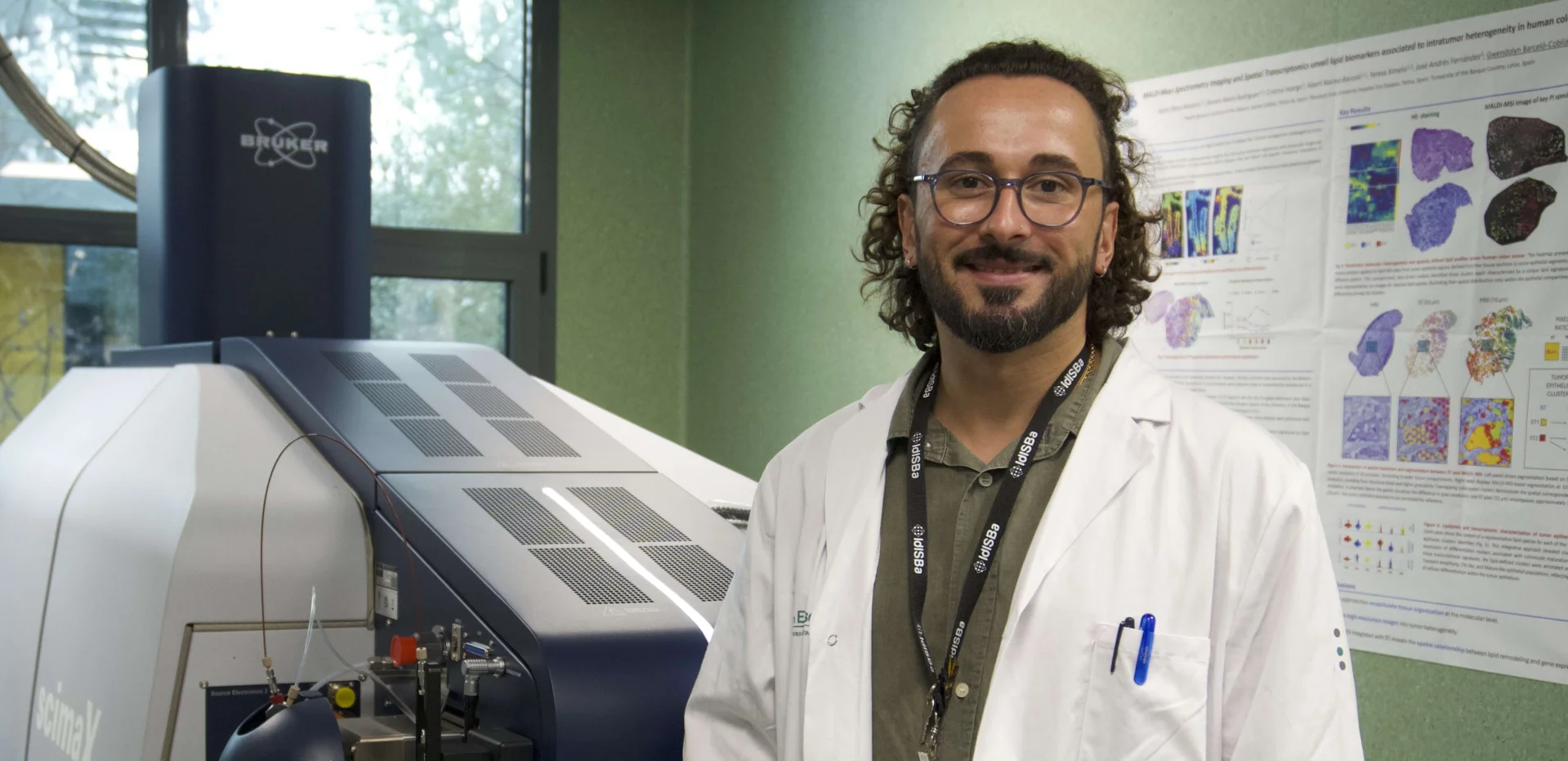
The platform integrates state‑of‑the‑art technologies, including ultra‑high‑resolution magnetic resonance mass spectrometry, MALDI and ESI ionization, ultra‑high‑performance liquid chromatography, as well as specialised sample‑preparation equipment and advanced software for processing, visualising and interpreting spatial multi‑omic data.
The platform aims to meet the growing demand for techniques capable of integrating metabolomic, lipidomic and proteomic information with spatial resolution. Ultra‑high‑resolution mass spectrometry combined with MALDI and ESI provides unique capacity to identify biomarkers and study pathological mechanisms in situ.
Objectives of the PT‑IMEM
- Promote high‑quality biomedical research, providing researchers with access to advanced molecular imaging and mass spectrometry technologies while ensuring high scientific standards of rigour, reproducibility and excellence.
- Foster innovation in diagnosis, prognosis, and personalised therapy by identifying spatial biomarkers, performing in situ molecular characterization, and integrating multi‑omic information in translational research projects.
- Train and specialise research and technical staff, offering structured training, expert support and learning pathways in advanced mass spectrometry, molecular imaging and associated data analysis.
- Promote strategic synergies and collaborations, internally and externally, enabling IdISBa's participation in scientific networks, multicentre projects, and partnerships with research centres, hospitals and universities at national and international levels.
- Ensure efficient and sustainable use of the equipment, optimising management, maintenance and shared use processes, and guaranteeing full integration of the platform within the Institute's infrastructure ecosystem.