IdISBa holds the 2nd Research and Patient Associations Conference
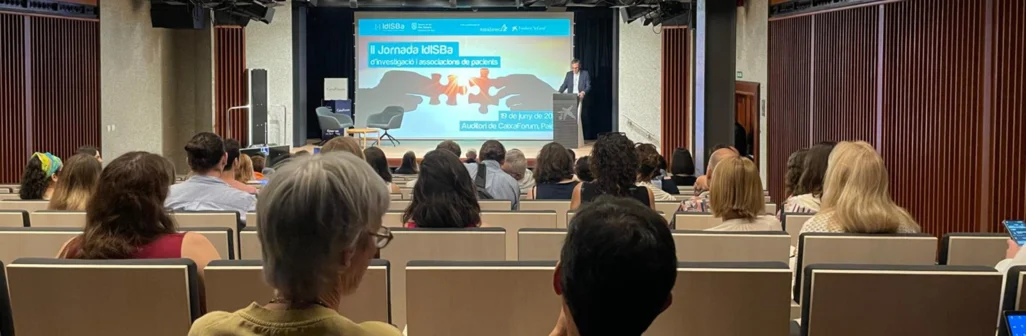
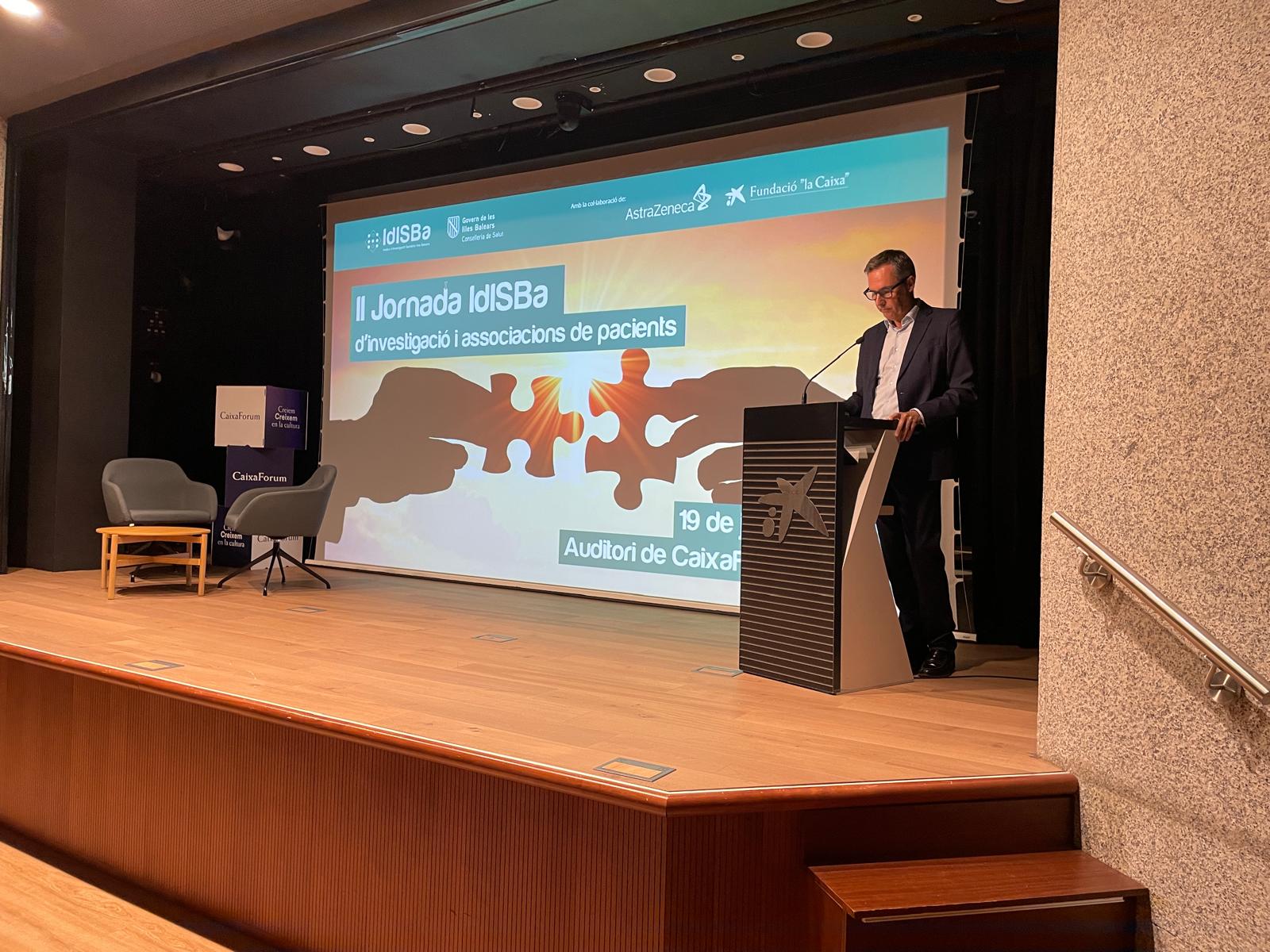
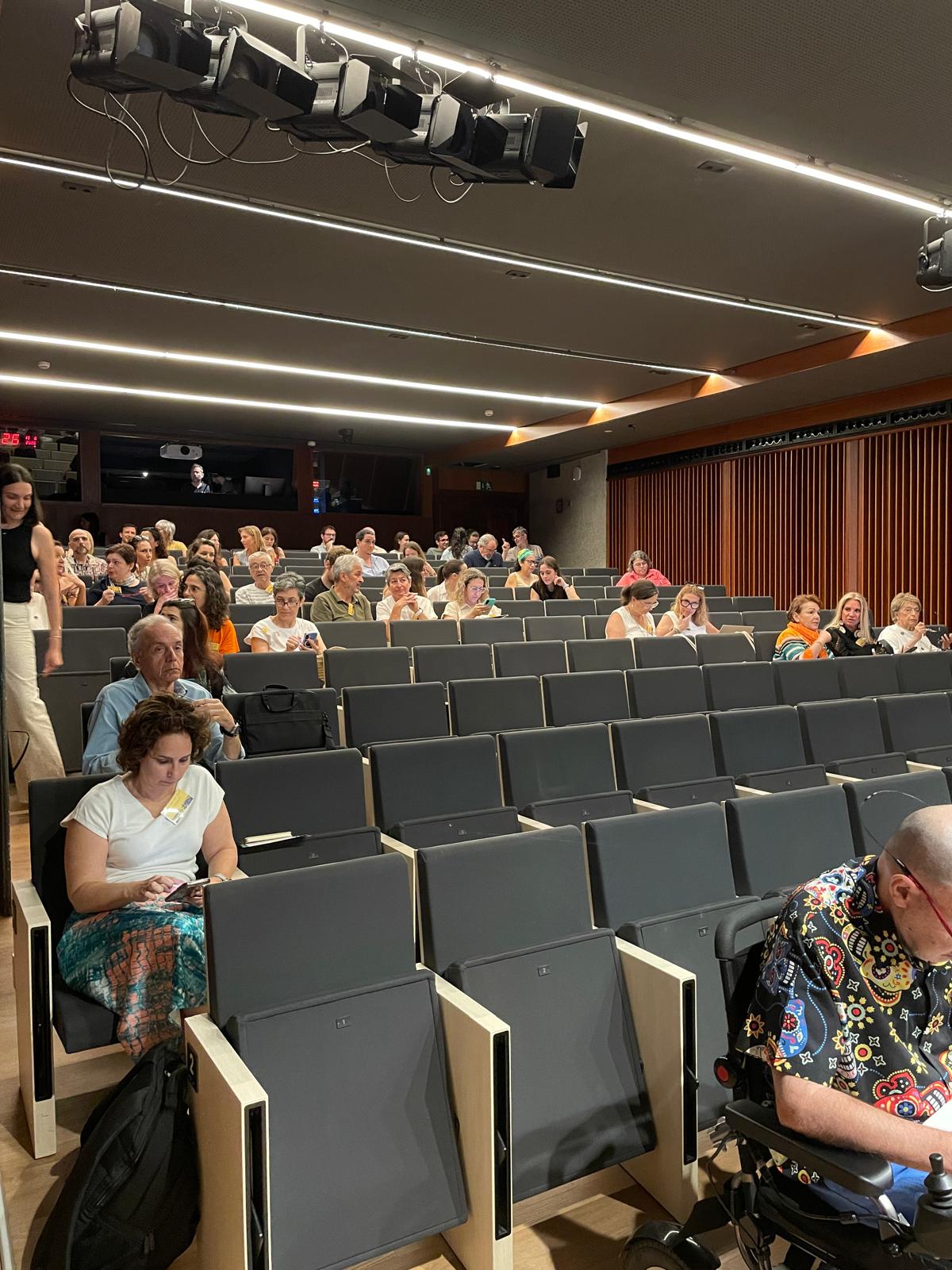
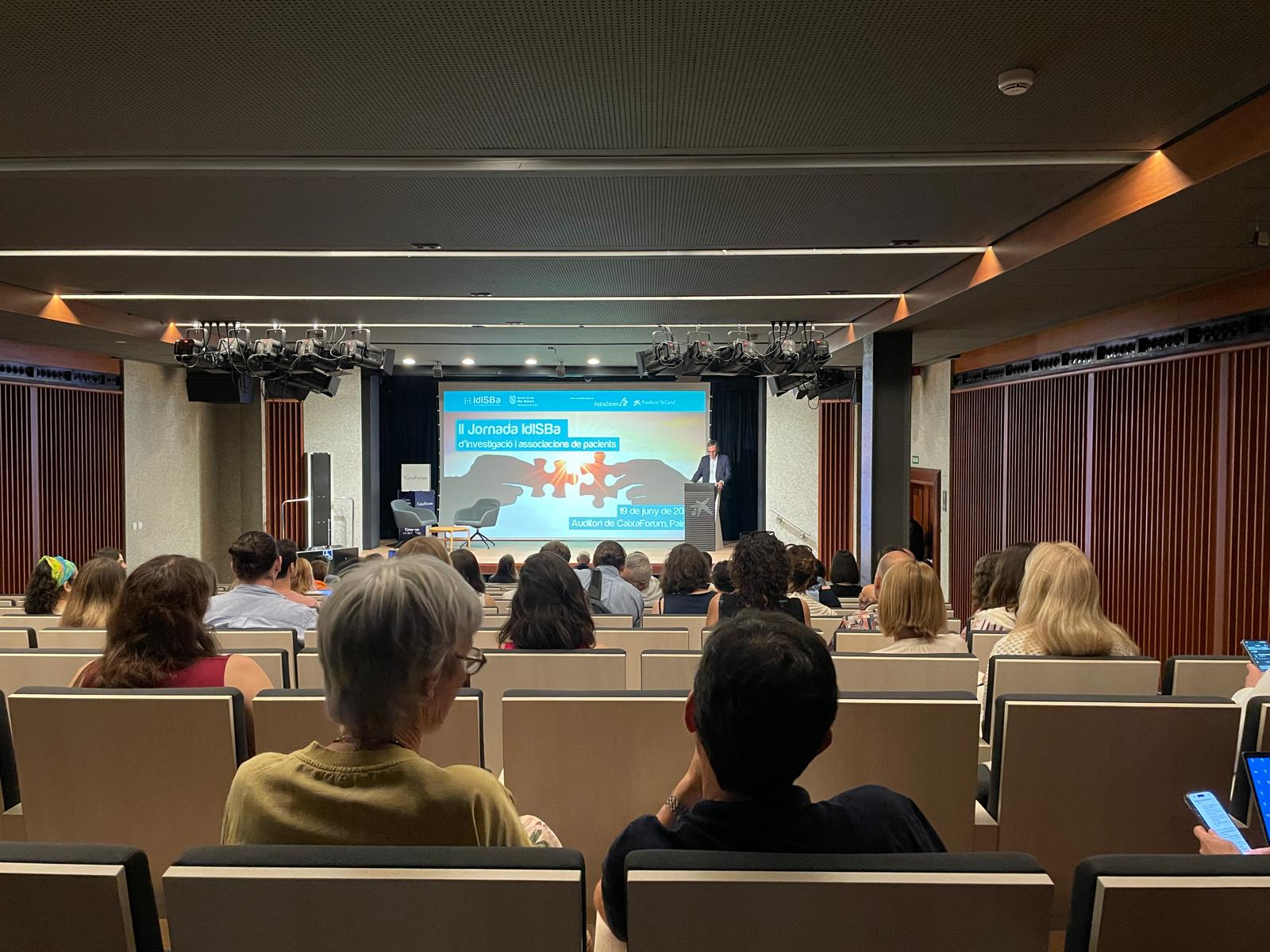
The Health Research Institute of the Balearic Islands (IdISBa) held the 2nd Research and Patient Associations Conference on 19 June at CaixaForum Palma, an initiative that consolidates this meeting space between researchers, healthcare professionals and patient organisations, with the aim of promoting citizen participation in health research.
The conference, organised in collaboration with the Government of the Balearic Islands, the AstraZeneca Foundation and "la Caixa" Foundation, brought together a large number of researchers and patient associations, highlighting the growing interest in fostering more participatory research aligned with citizens' needs.
The event began with an institutional welcome delivered by Mr Vicenç Juan, Director General for Research, Training and Accreditation; Mr Gabriel Rojo, Deputy Director for Humanisation, User Care and Training at the Balearic Health Service; and Dr Tomàs Ripoll, Scientific Director of IdISBa.
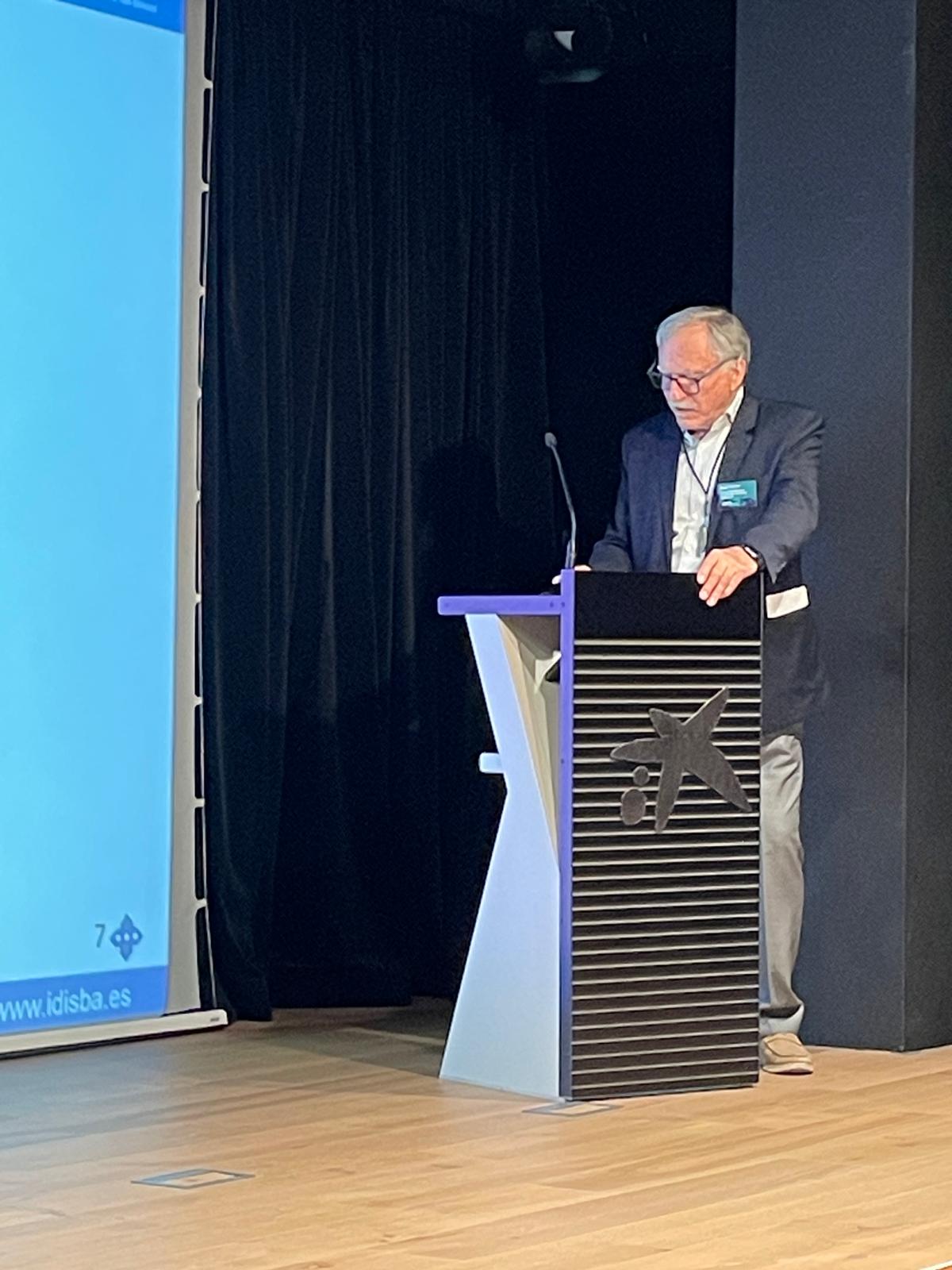
This was followed by the presentation of IdISBa's strategy on citizen participation, delivered by Miquel Fiol, President of the Social and Business Committee, who emphasised the active role of society in biomedical research.
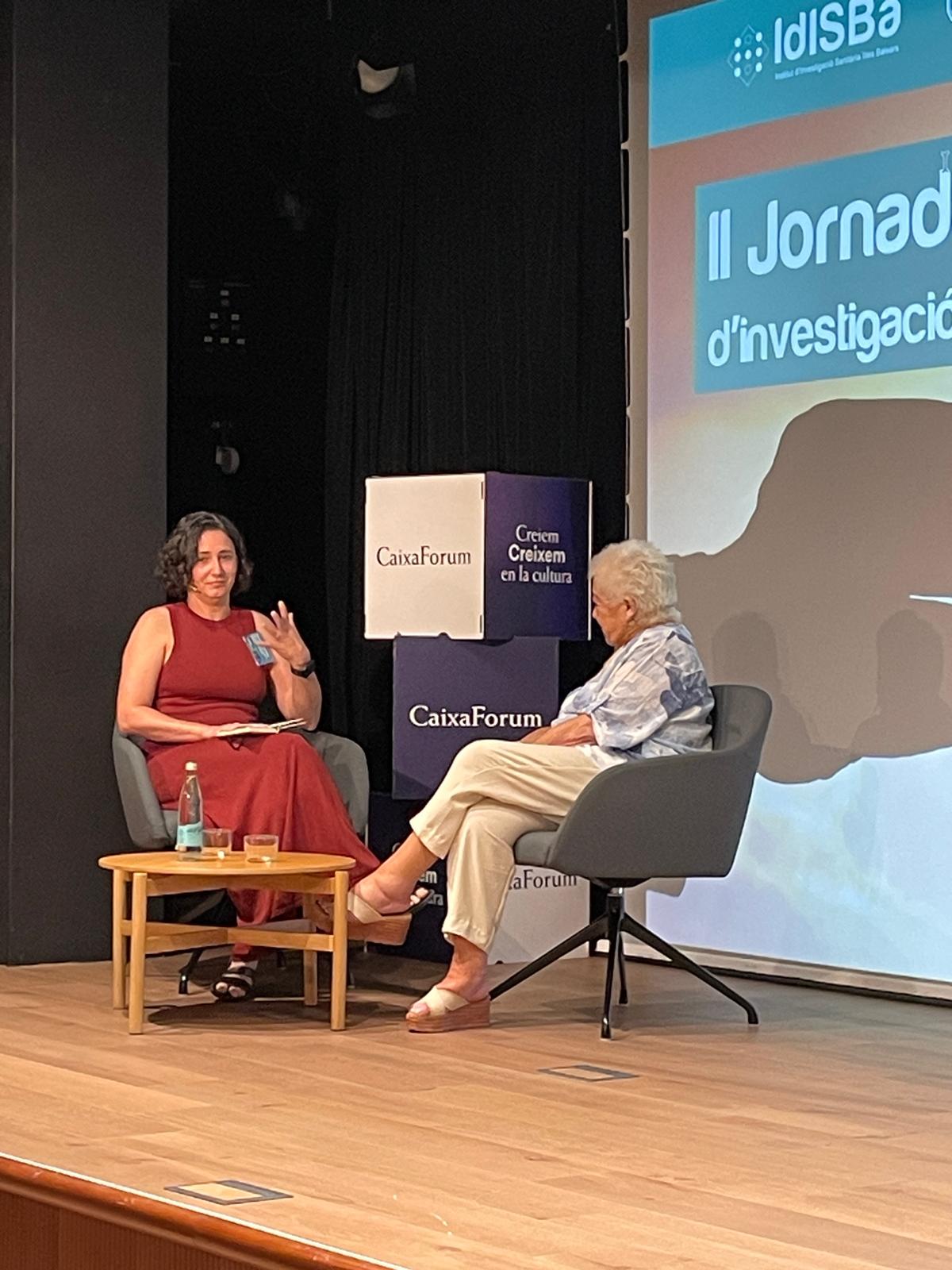
During the morning, several short talks focused on citizen participation as an active agent in research, featuring Amanda Iglesias from the IRespire group (respiratory diseases), Ignacio Ricci from the EVISAP group (primary care), and Antònia Perelló from the Functional Oncogenomics group. The session also included the screening of the trailer Sacar pecho, about breast cancer patients in Mallorca.
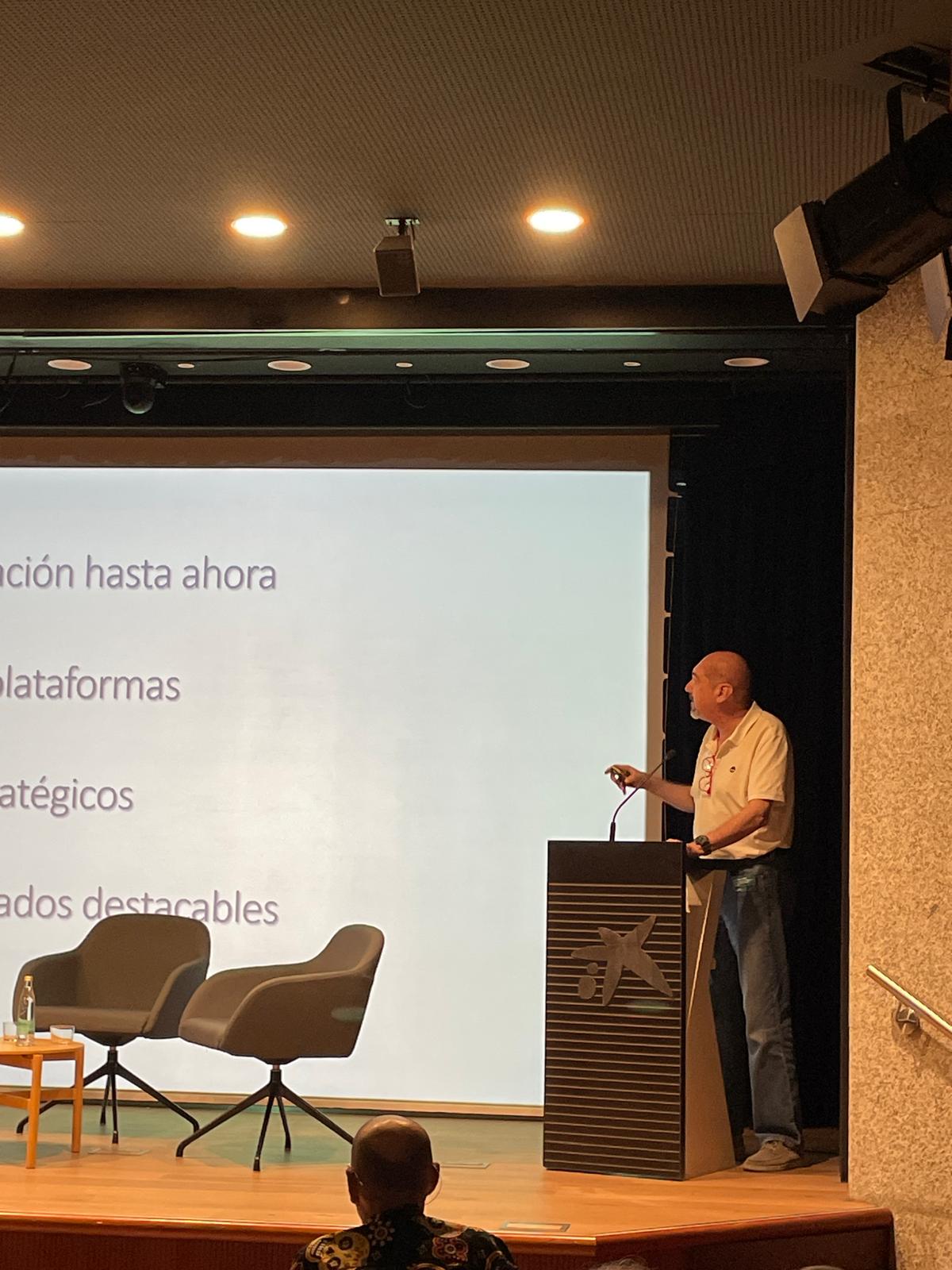
The conference continued with the lecture "CIBERER: collaborative science in rare diseases", delivered by José María Millán Salvador, Scientific Director of the Biomedical Research Networking Center for Rare Diseases (CIBERER), who highlighted the importance of collaboration in advancing research in these conditions.
In this context, attention was drawn to the reality of rare diseases, noting that around 8,000 people in the Balearic Islands are affected by these conditions and that waiting times to receive care average around six months, underlining the need to improve coordination, research efforts and visibility.
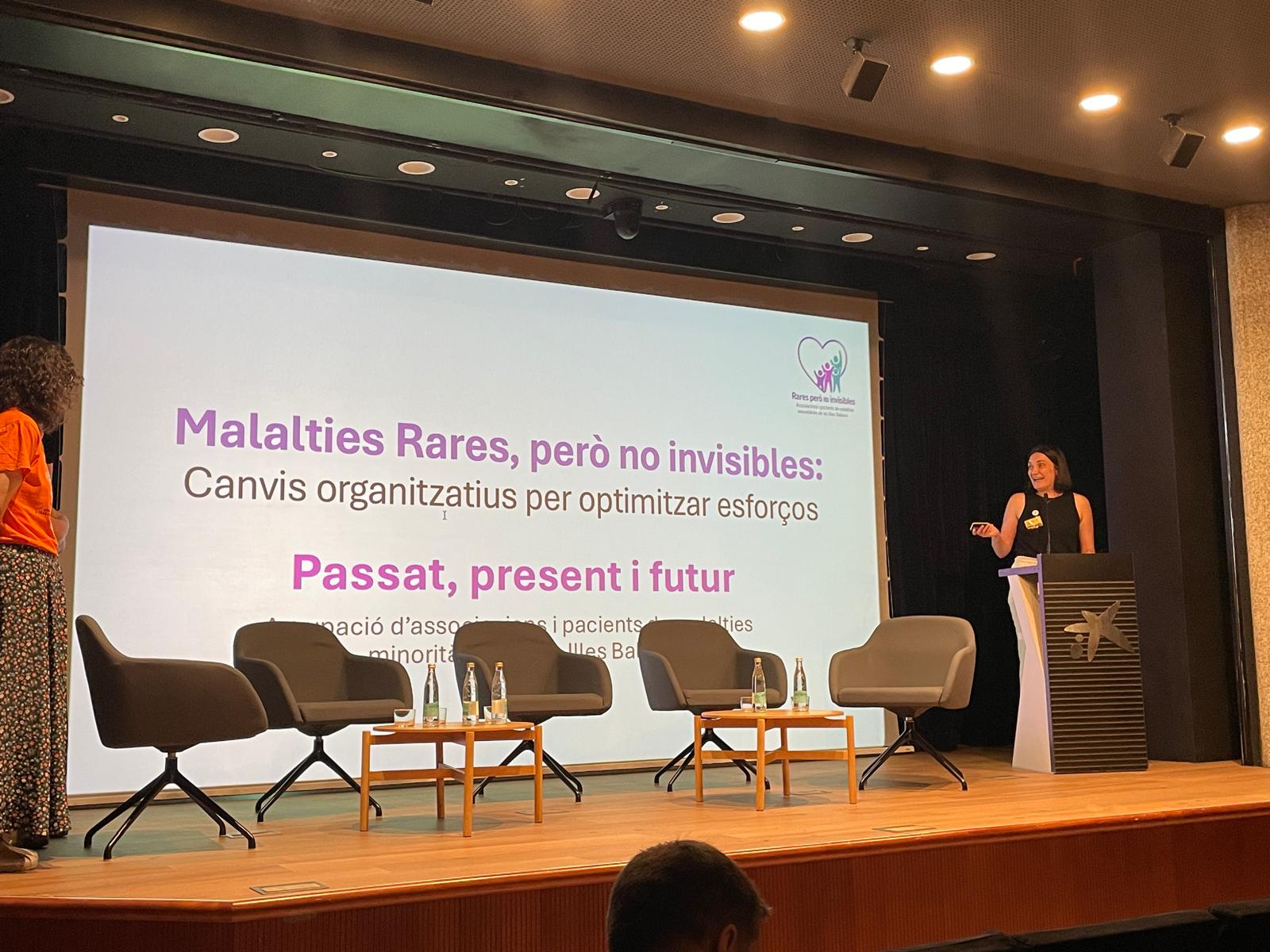
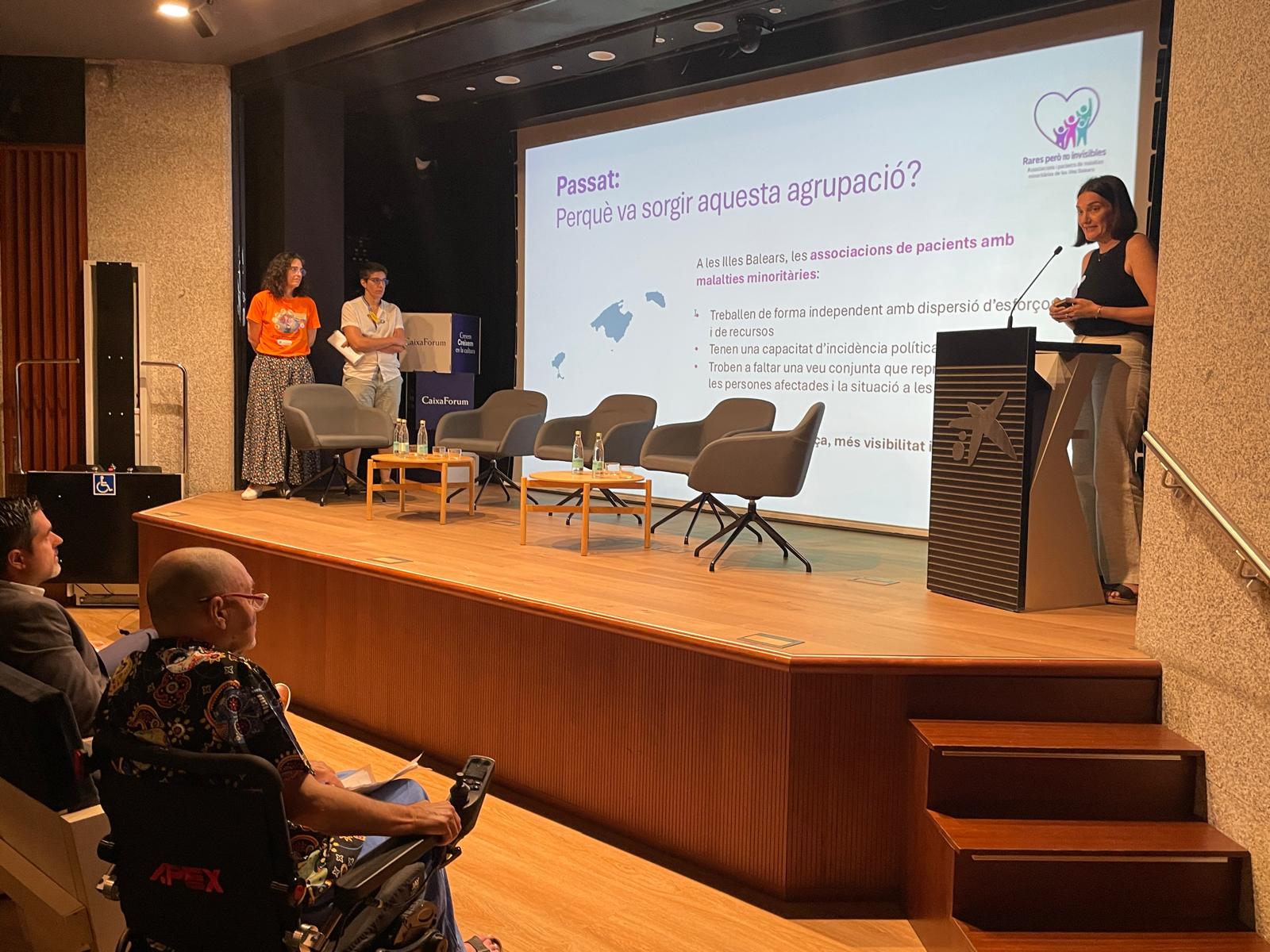
This was followed by the session "Rare diseases, but not invisible. Organisational changes to optimise efforts", focused on improving awareness and approaches to these pathologies.
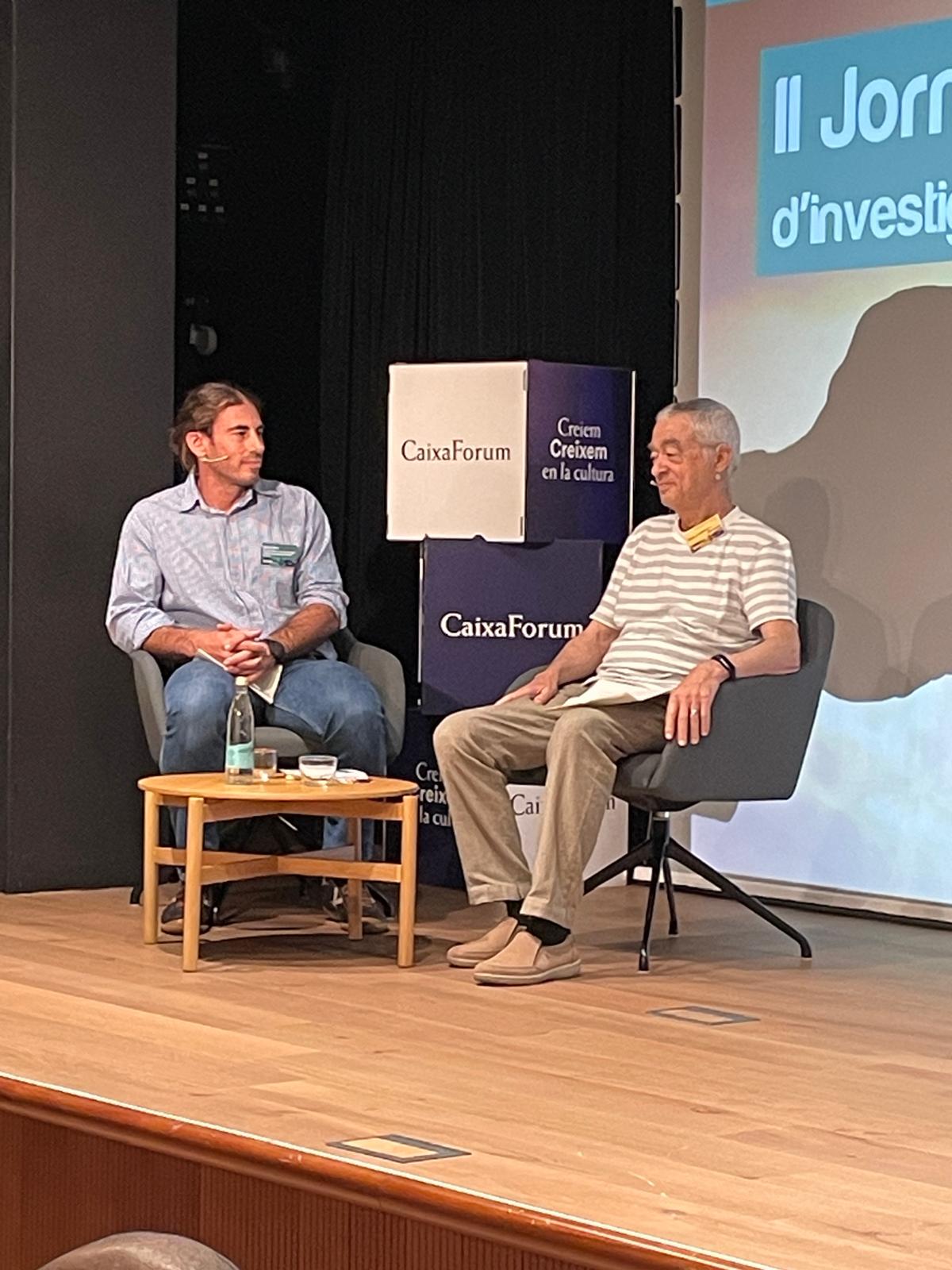
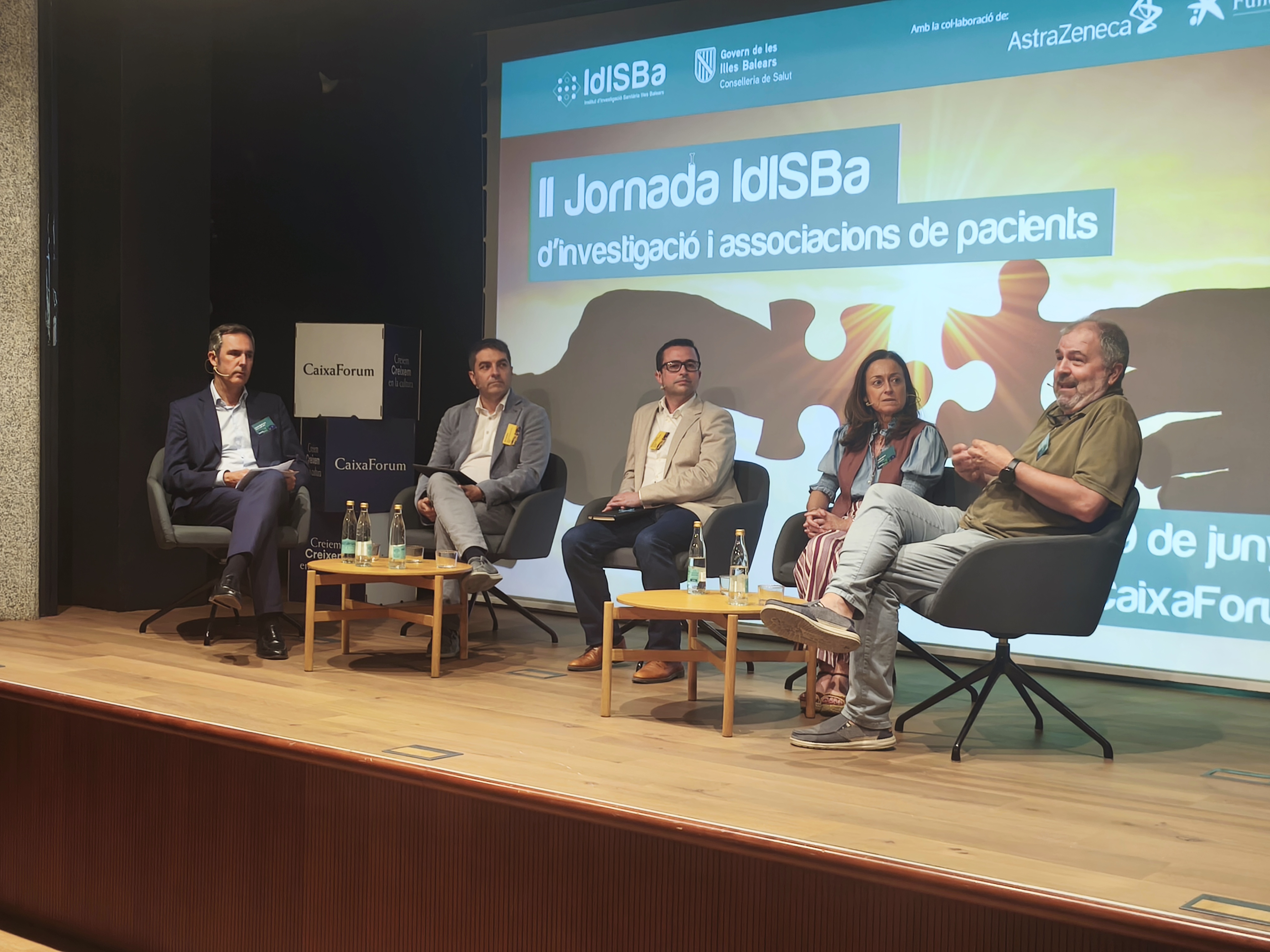
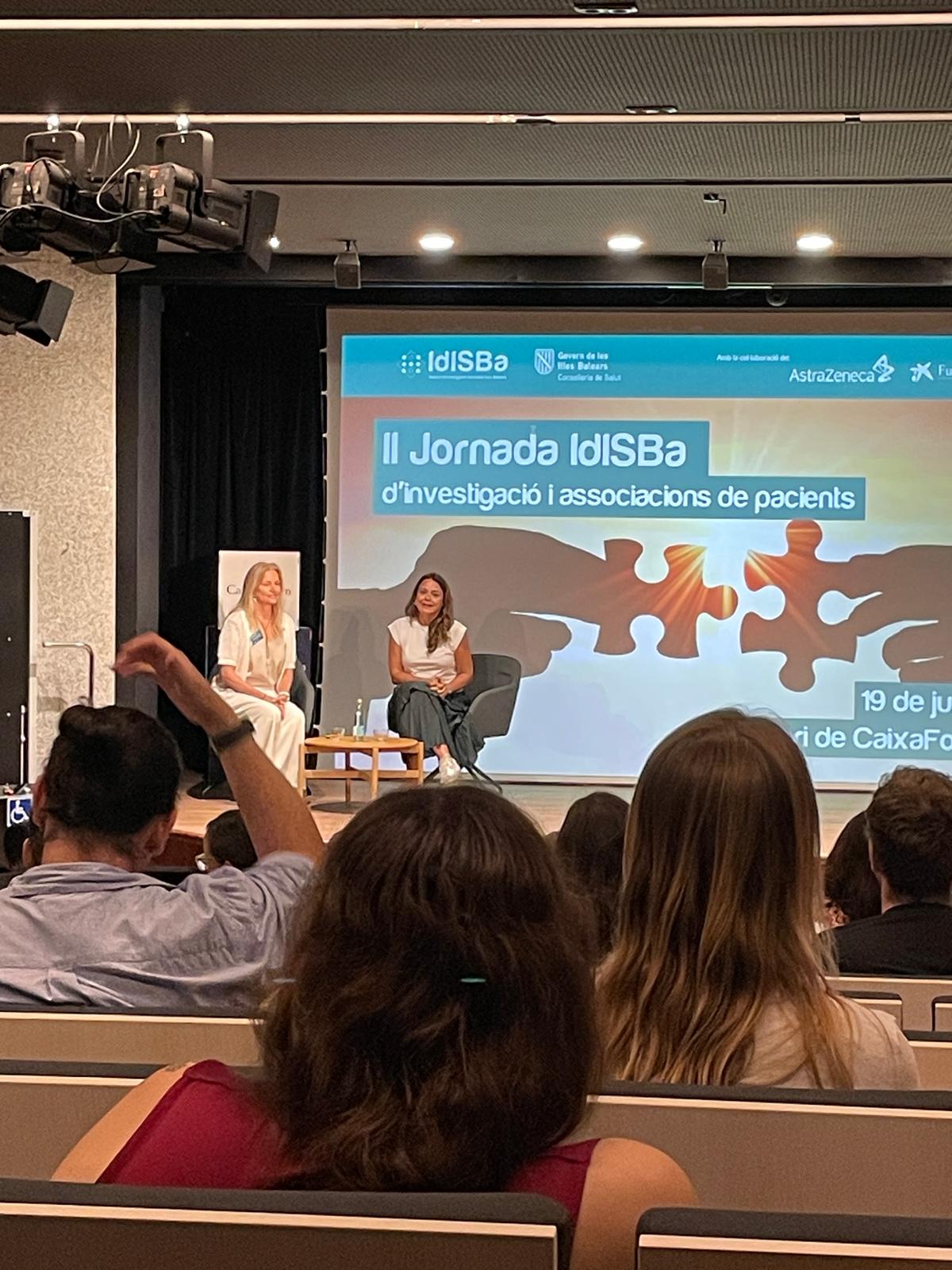
In the final part of the conference, the round table "Diagnosis and management of disease on the horizon" was held, moderated by Dr Tomàs Ripoll, with the participation of Juan Da Silva, President of the Spanish Federation of Cystic Fibrosis; Roberto Saldaña, Director of Innovation and Citizen Participation at EUPATI Spain; Amelia Martín, Director of Clinical and Translational Research at Farmaindustria; and Damià Heine, Principal Investigator of the Genomics of Health group at IdISBa.
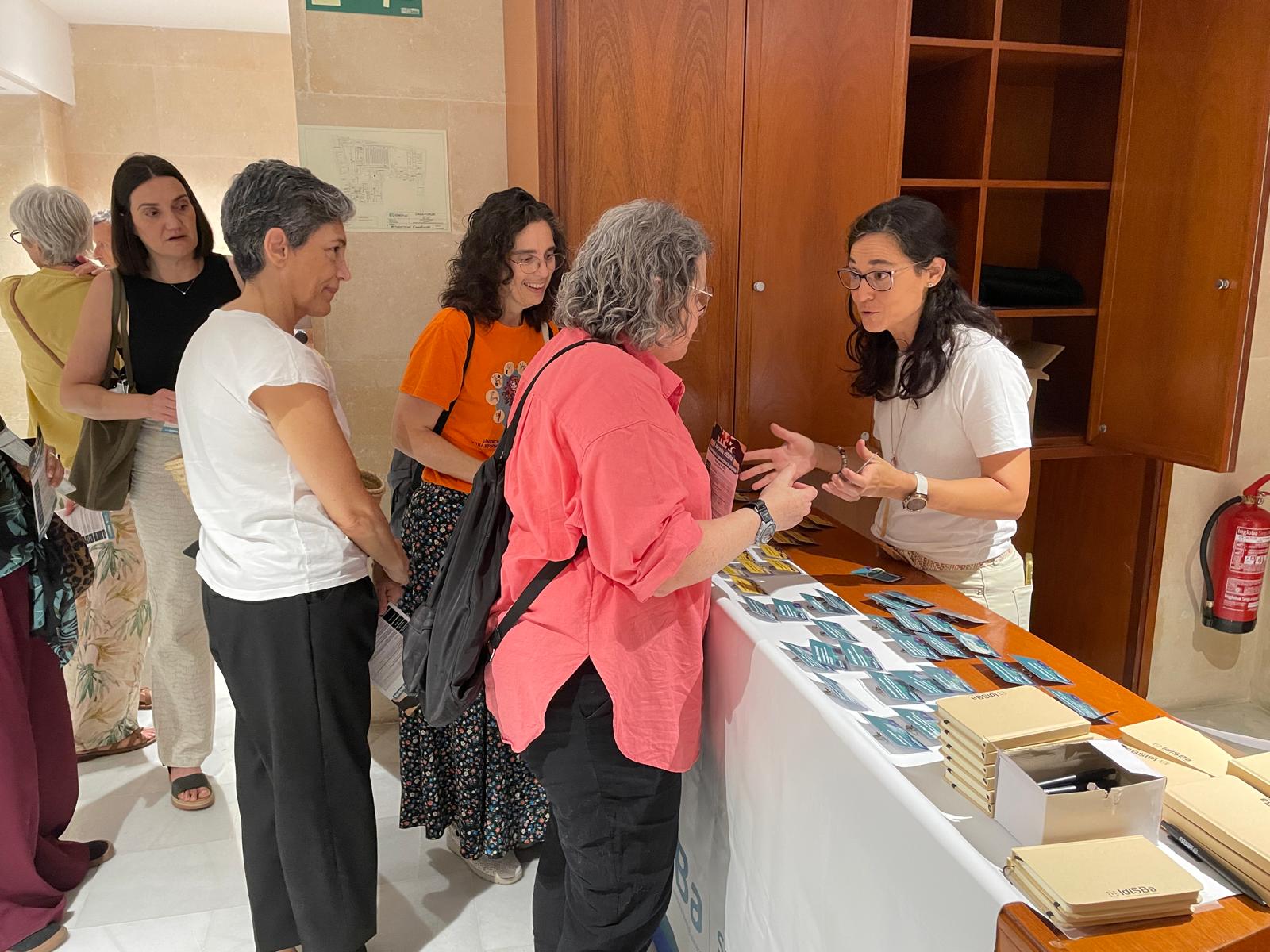
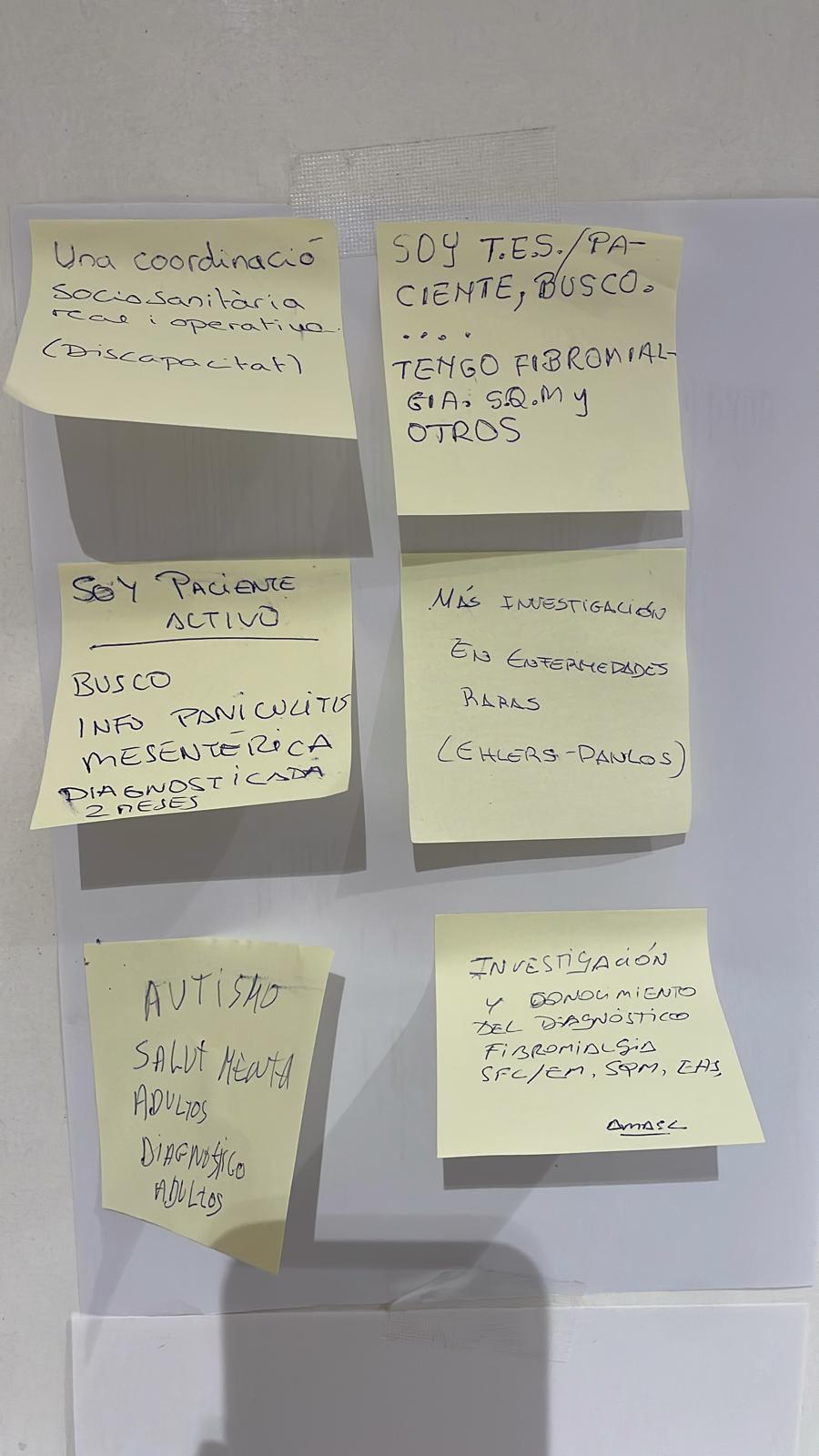
In addition, a networking dynamic was promoted during the event to connect researchers and patient associations, with the aim of fostering new synergies and establishing future collaborative research networks.
The conference concluded with remarks from Ms Manuela García, Minister of Health of the Government of the Balearic Islands, who underlined the importance of continuing to move towards a more open and participatory model of research.
With this second edition, IdISBa reinforces this conference as a key platform for strengthening collaboration between research and society, and for advancing towards more inclusive, people-centred science.