Nearly 1,500 people from Mallorca are already participating in the national IMPaCT Cohort project through the Sa Pobla and Santa Ponça nodes
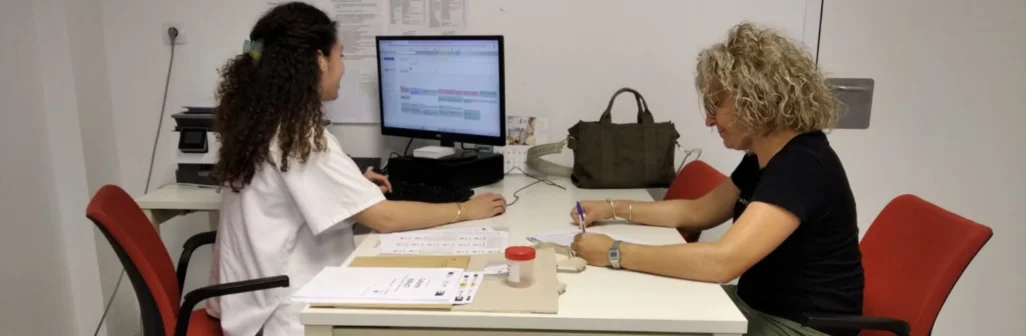
- The project, coordinated in Mallorca by IdISBa and the Mallorca Primary Care Management, will follow the health of 200,000 people across Spain for more than 20 years to better understand how lifestyles, environmental factors, genetics and other determinants influence the development of diseases.
- The Balearic IMPaCT Cohort currently operates two active nodes, located in Santa Ponça and sa Pobla, while 51 nodes have already been deployed nationwide.
The Balearic Islands host two IMPaCT Cohort nodes, part of the major epidemiological research project promoted by the Carlos III Health Institute (ISCIII) and managed by the Biomedical Research Networking Center (CIBER), which will study the health of 200,000 individuals representative of the population living in Spain over a period of more than twenty years. In the Balearic Islands, the project is coordinated by the Primary Care and Health Promotion Research Group of the Autonomous Community of the Balearic Islands (GRAPP-caIB) at IdISBa.
The nodes are located in Santa Ponça and sa Pobla, enabling the inclusion of participants from both rural and urban settings and helping ensure that the research reflects the diversity of the Spanish population. Participants are currently being recruited from Calvià, Campanet, Búger, Pollença, sa Pobla, Santa Margalida, Muro and Can Picafort.
Nationwide, the IMPaCT Cohort includes 51 nodes distributed across Spain and is present in all autonomous communities. The cohort has already enrolled nearly 45,000 participants.
Understanding why we get sick to improve prevention
The IMPaCT Cohort was created with an ambitious goal: to generate information that will help researchers better understand the factors that determine population health and how they contribute to the development of the most common diseases.
To achieve this, the project will examine factors related to lifestyle, environment, diet, social characteristics and genetics, among others. This information will advance knowledge of diseases such as cancer, diabetes, Alzheimer's disease and cardiovascular disorders, while contributing to the development of prevention strategies and precision medicine approaches tailored to the characteristics of the Spanish population.
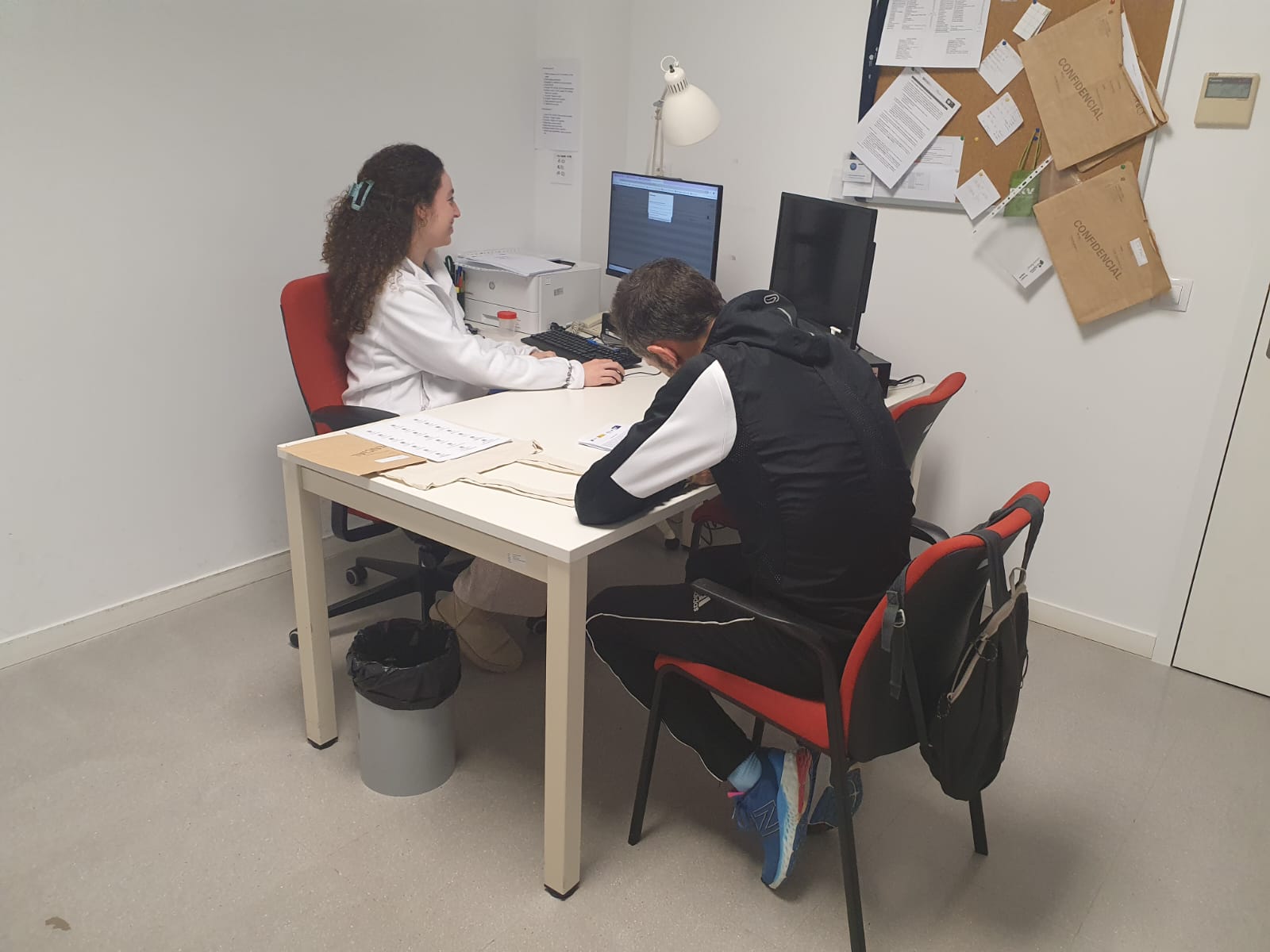
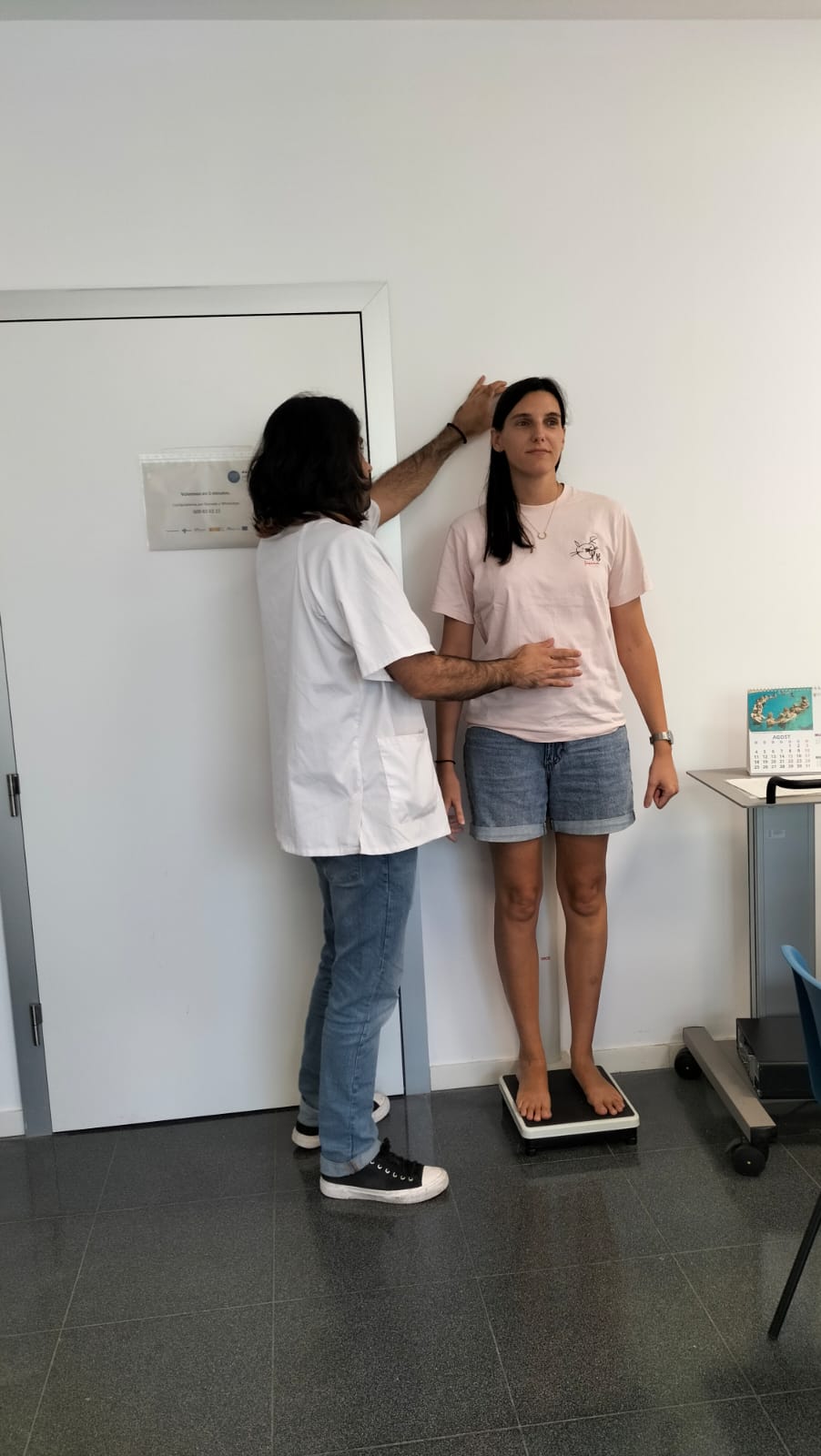
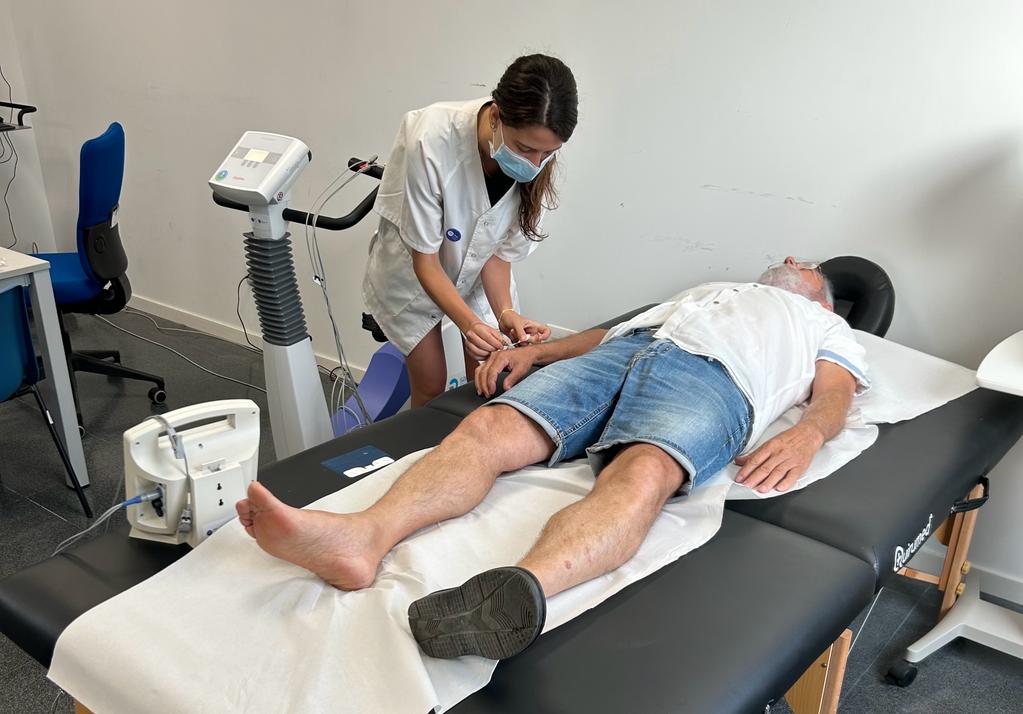
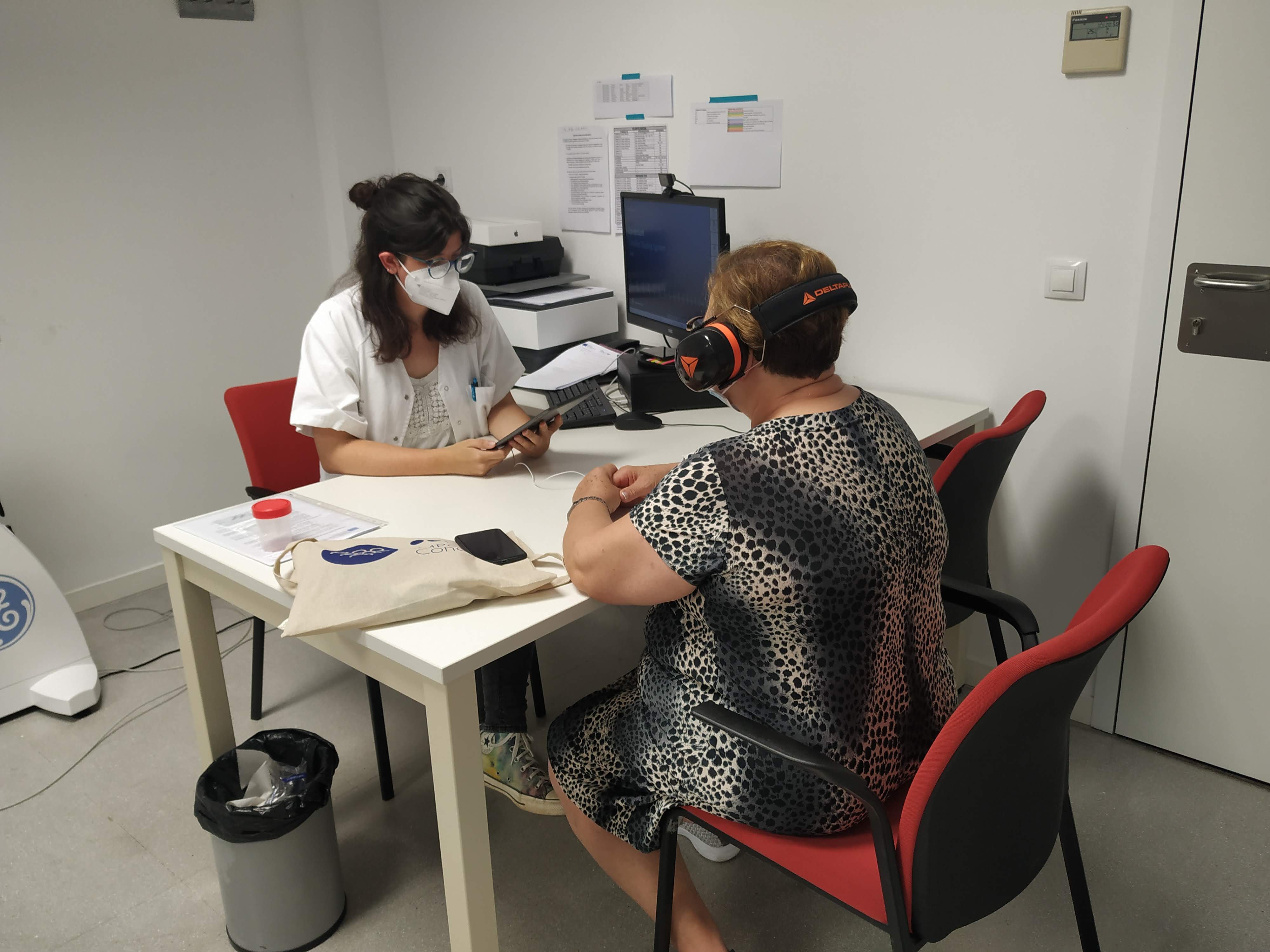
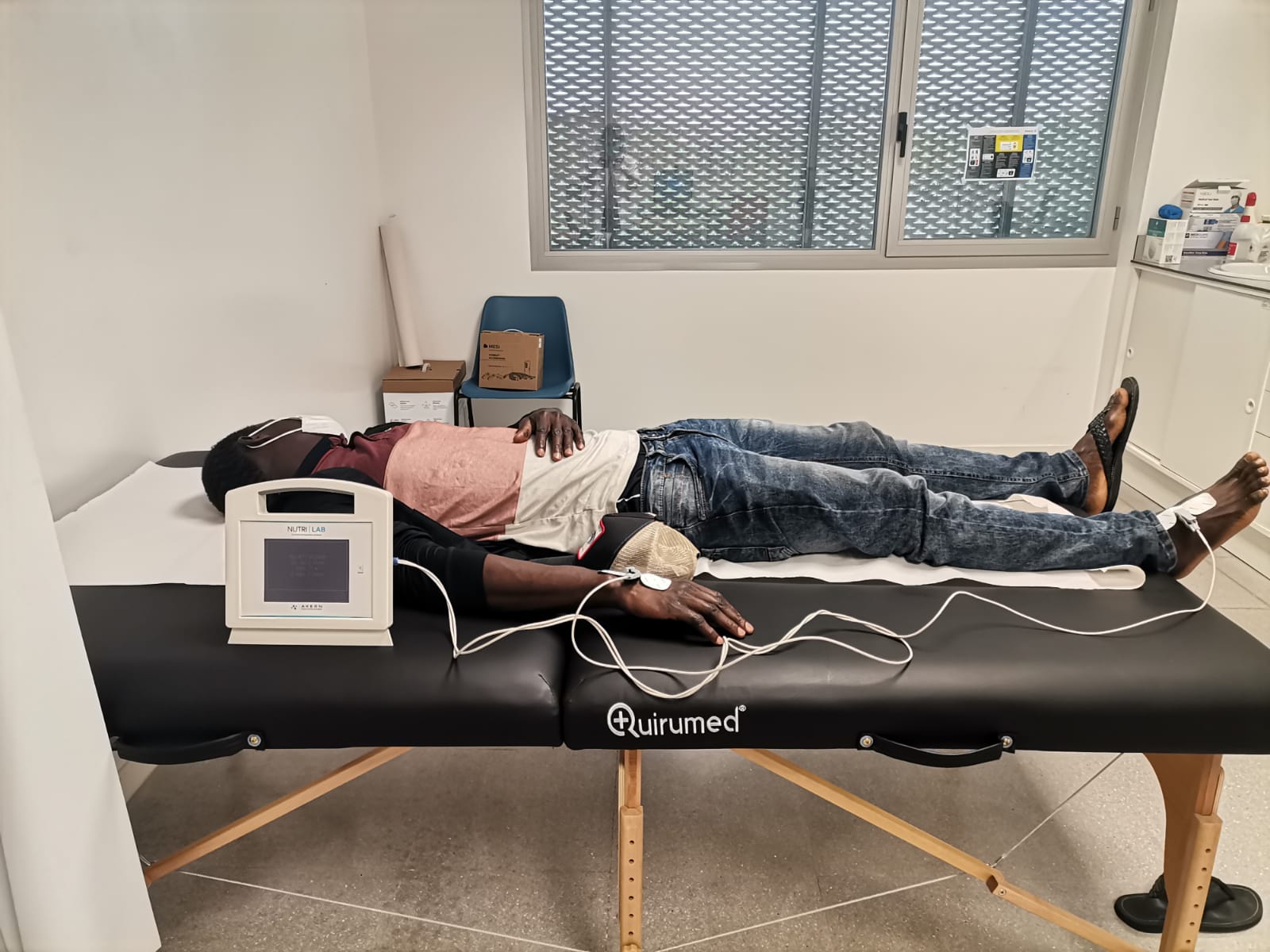
Participants, selected randomly to ensure representativeness, complete questionnaires, undergo physical examinations, physiological testing and biomarker analyses, generating highly valuable scientific information that can be linked and analysed over time.
One of the key features of the IMPaCT Cohort is its longitudinal design. Following participants for more than two decades will make it possible to study how their health and habits evolve and which factors may be linked to the onset or prevention of disease.
Research built through Primary Care
Primary Care plays a fundamental role in the development of the IMPaCT Cohort, as it is the main point of contact between citizens and the healthcare system and a key setting for prevention and health equity.
In the Balearic Islands, the project is managed through the Health Research Institute of the Balearic Islands (IdISBa) and implemented through the Primary Care services of the Balearic Islands Health Service. The region was one of the four autonomous communities that launched the IMPaCT Cohort pilot phase in March 2023, together with Castilla-La Mancha, Aragon and Madrid, thanks to the leadership of Dr Joan Llobera, a key researcher who helped test and validate the methodology before the full-scale implementation of the study.
Within this framework, Oana Bulilete, family physician and Principal Investigator of the IMPaCT Cohort in the Balearic Islands, highlights the importance of the region's participation in this major population health study:
«Being part of the IMPaCT Cohort represents a unique opportunity to better understand how the health and habits of our population evolve over time. The information collected will make it possible to analyse jointly how factors such as the environment, lifestyles, social characteristics and genetics influence the development of diseases».
«Thanks to the commitment of participants, we will be able to generate highly valuable scientific knowledge that will help improve prevention and advance towards more personalised medicine».
The population recruited at the sa Pobla node mainly consists of people who have lived in Mallorca throughout their lives, whether born on the island or not, as well as immigrants, particularly from North African countries. A significant proportion of this population works or has worked in agriculture or construction.
Among participants recruited at the Santa Ponça node, many work in the hospitality sector under permanent seasonal contracts, making recruitment more challenging during the tourist season (April to October for most establishments). Another important group consists of migrants from European countries, particularly Germany and the United Kingdom, who reside permanently in the area.
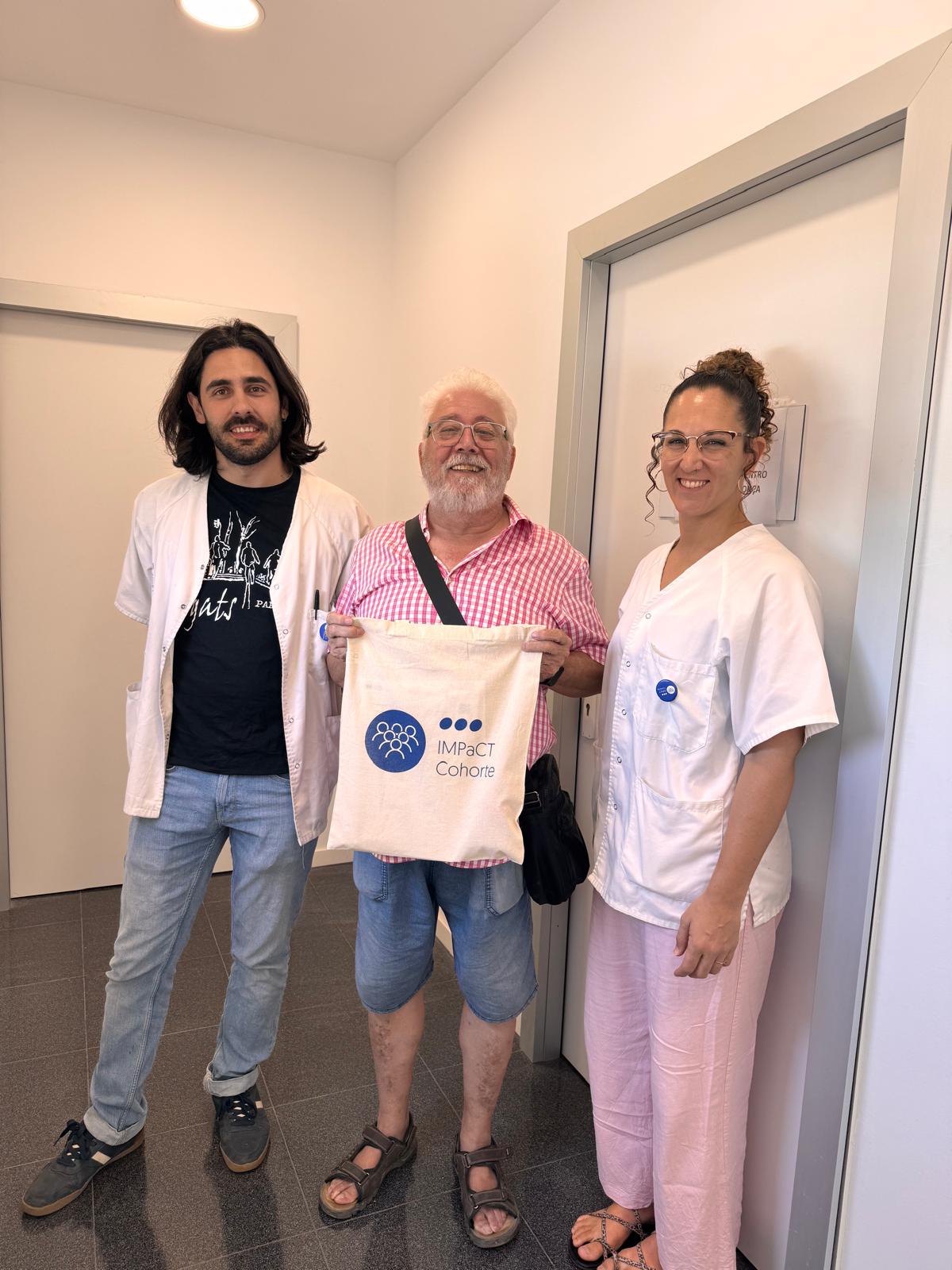
Citizen participation is essential to achieving the project's objectives. This is reflected in the campaign slogan that has accompanied the initiative since its inception:
#SiTeLlamanVen.
About the IMPaCT Cohort
The IMPaCT Cohort is part of the Precision Medicine Infrastructure associated with Science and Technology (IMPaCT), promoted by the Carlos III Health Institute.
The project is funded by the Carlos III Health Institute, under the Ministry of Science, Innovation and Universities, and co-financed by the European Union through NextGenerationEU.