Elena Torres Association for Research into the Early Detection of Cancer allocates nearly €90,000 to the Balearic Islands
The Ibiza-based charitable organization will support two projects of the Health Research Institute of the Balearic Islands (IdISBa) this year
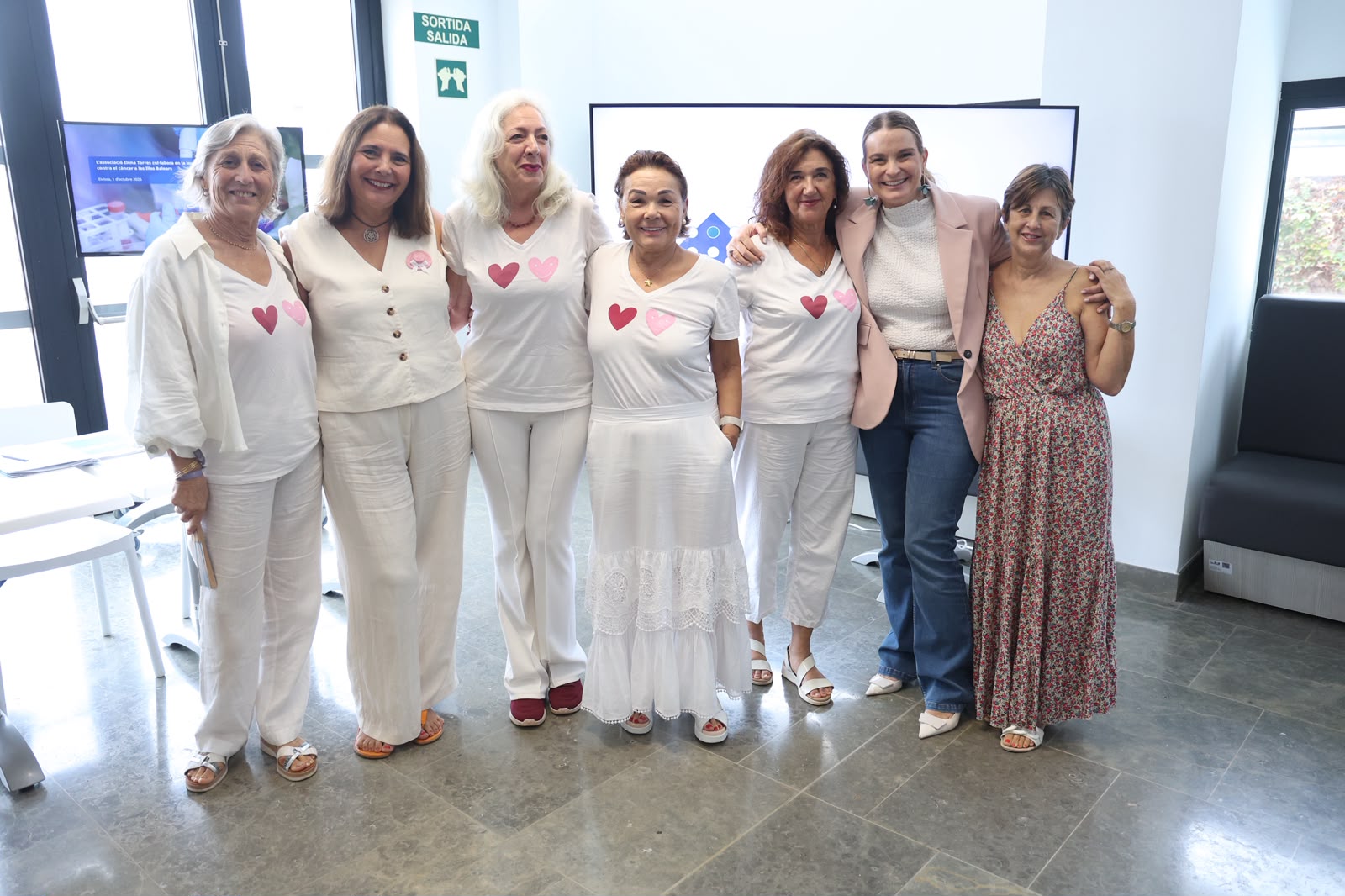
President of the Balearic Islands Government, Margalida Prohens, attends the signing of the collaboration agreement with IdISBa and thanks the association for more than a decade of commitment
The Elena Torres Association for Research into the Early Detection of Cancer will allocate nearly €90,000 this year to the Health Research Institute of the Balearic Islands (IdISBa). The association's president, Mari Carmen Gutiérrez, signed this morning the collaboration agreement through which the Elena Torres Association will contribute €50,000 annually to the cancer research project carried out in the Balearic Islands by IdISBa's Cancer Epigenetics Laboratory. This amount is complemented by the €39,705 raised during the association's annual fundraising gala dinner, held in August at Lío Ibiza, which will be allocated to consumable materials for IdISBa's Molecular Imaging and Mass Spectrometry Platform.
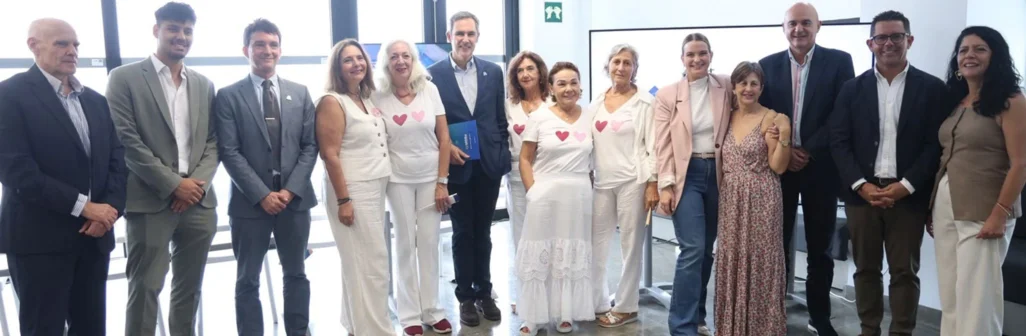
The signing ceremony and presentation of the projects was attended by the President of the Government of the Balearic Islands, Margalida Prohens, and Diego Marzese, Principal Investigator of IdISBa's Cancer Epigenetics Laboratory.
Mari Carmen Gutiérrez, President of the Elena Torres Association for Research into the Early Detection of Cancer, explained that "for us, this is a very important step because, after more than ten years of supporting the CSIC project with which we collaborate and to which, thanks to the contribution of everyone who takes part in our charitable events, we have donated one million euros, we want to expand our support to new areas related to cancer detection and research." She added that "we will continue supporting the project led by Priscila Monteiro Kosaka and, at the same time, we are beginning a new stage in which we also want to help researchers driving projects in our islands."
Elena Torres Association's second cancer research project
Starting this year, the Elena Torres Association for Research into the Early Detection of Cancer will provide financial support to IdISBa's Cancer Epigenetics Laboratory, led by Dr. Diego Marzese and integrated within IdISBa's Cancer Cell Biology Group. The team specializes in identifying molecular alterations in aggressive cancers, such as triple-negative breast cancer, and investigating whether these characteristics can be detected at very early stages or in premalignant lesions. To achieve this, researchers integrate clinical, genetic and epigenetic data through computational biology approaches. The ultimate objective is to translate this knowledge into new strategies that contribute to earlier cancer detection and increasingly precise and personalized oncology.
Dr. Diego Marzese, principal investigator of the project, explained that "our team studies the molecular changes that characterize the most aggressive tumors to determine whether these signals are already present in the earliest stages of the disease. Through the combined analysis of clinical, genetic and epigenetic data, we have identified characteristics that help estimate which premalignant lesions are at greater risk of progressing to invasive cancer." Thanks to the support of the Elena Torres Association, the IdISBa research group will be able to further develop this line of research in premalignant breast lesions and explore its application to other cancer types. The goal is to improve the early detection of lesions with the highest risk of progression and contribute to more personalized care while avoiding unnecessary treatments whenever possible.
In addition, in August the Elena Torres Association for Research into the Early Detection of Cancer announced the allocation of the €39,705 raised during its annual fundraising gala dinner, held at Lío Ibiza, to reagents and consumable materials for the Molecular Imaging and Mass Spectrometry Platform located at IdISBa's facilities in Mallorca. This high-capacity sample-analysis platform provides key information for biomedical research, translational research and related fields such as pharmacology, microbiology and biotechnology.