
Synergia, Primus and Impetus 2026 Conference: IdISBa’s Intramural Research Demonstrates Its Impact and Looks to the Future
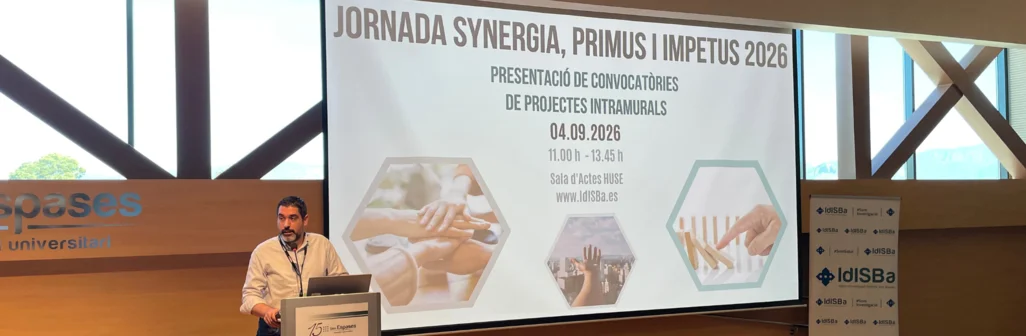
The Assembly Hall of Son Espases University Hospital hosted a new edition of the Synergia, Primus and Impetus Conference on Friday, September 4. The event, organized by IdISBa, aimed to present the upcoming 2026 Intramural Research Projects Call and showcase several research projects funded through previous intramural funding schemes.
The conference was opened by Carlos Enrique Herrero, Managing Director of IdISBa, who welcomed attendees. Afterwards, Daniel H. López Peter, from the Scientific Management Unit, presented the guidelines for the 2026 Synergia, Primus and Impetus calls, which will open on September 7 and remain open until October 2. During his presentation, he explained the characteristics of each programme, the available funding modalities, the eligibility requirements, and the new application submission system through the Institute's web platform.
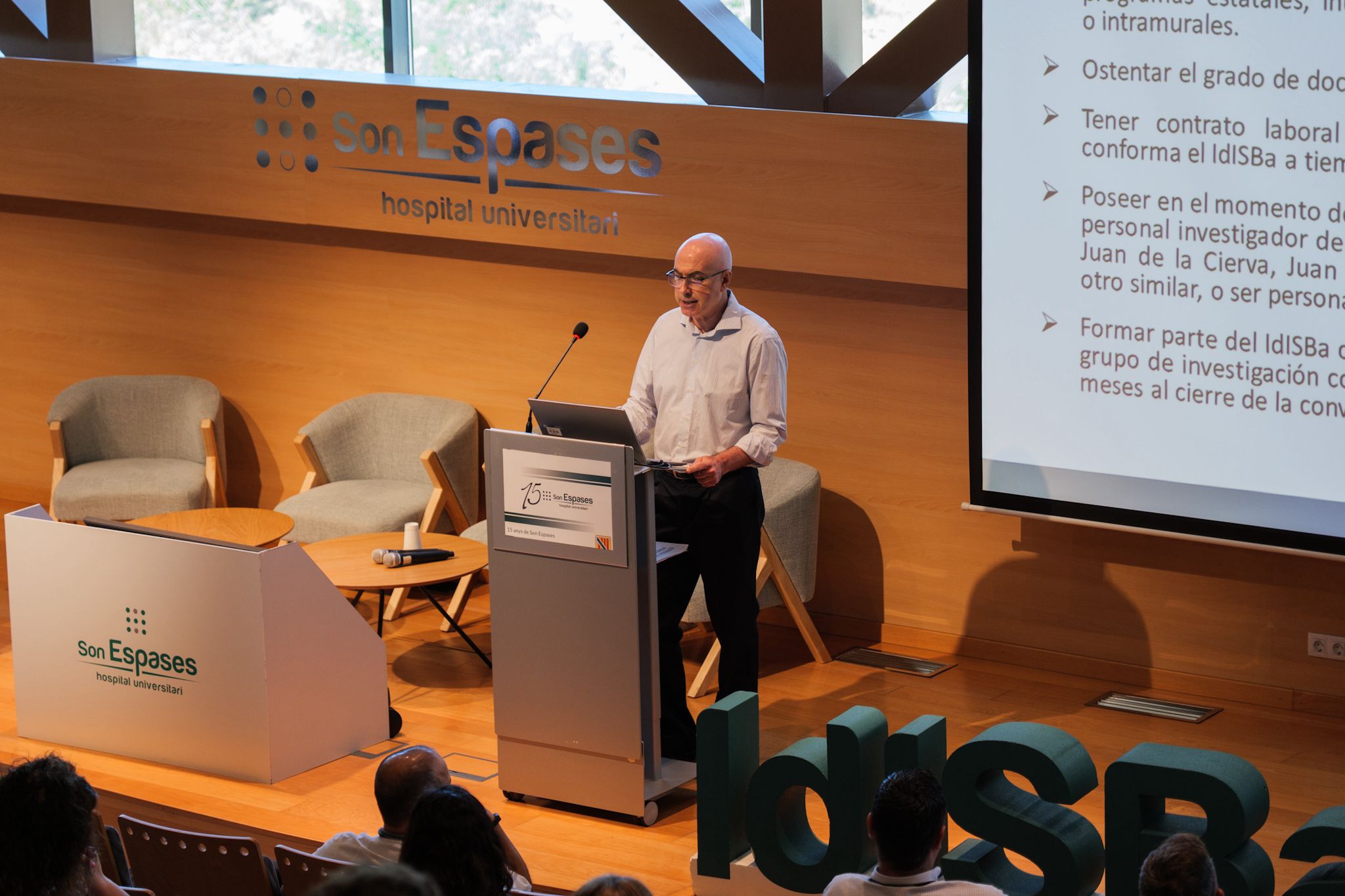
These programmes represent a strategic tool to promote research within IdISBa. The Synergia programme is designed to foster collaborative projects between research groups, while Primus and Impetus aim to support the development of new research lines led by emerging researchers, helping them gain access to larger competitive funding opportunities.
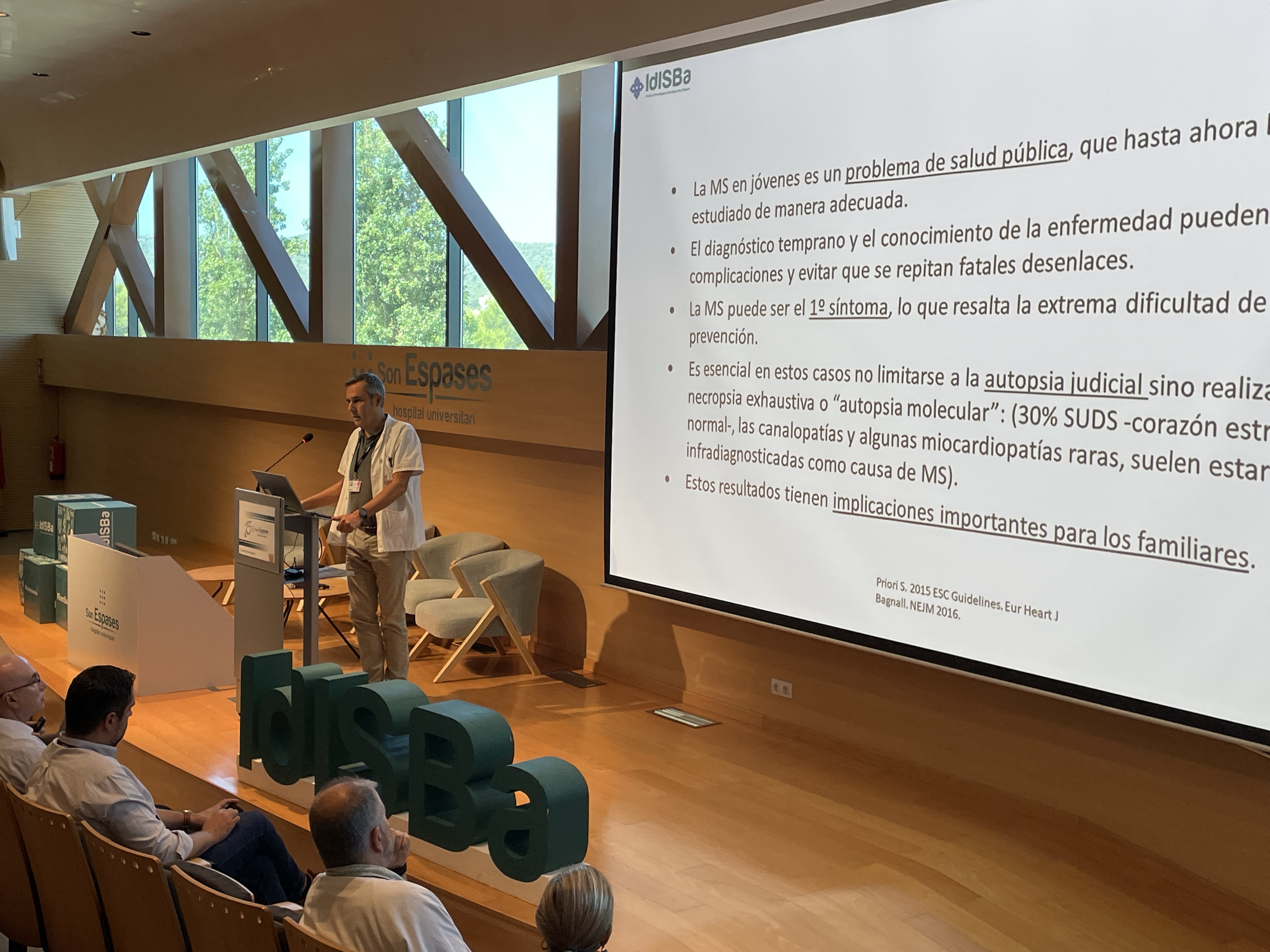
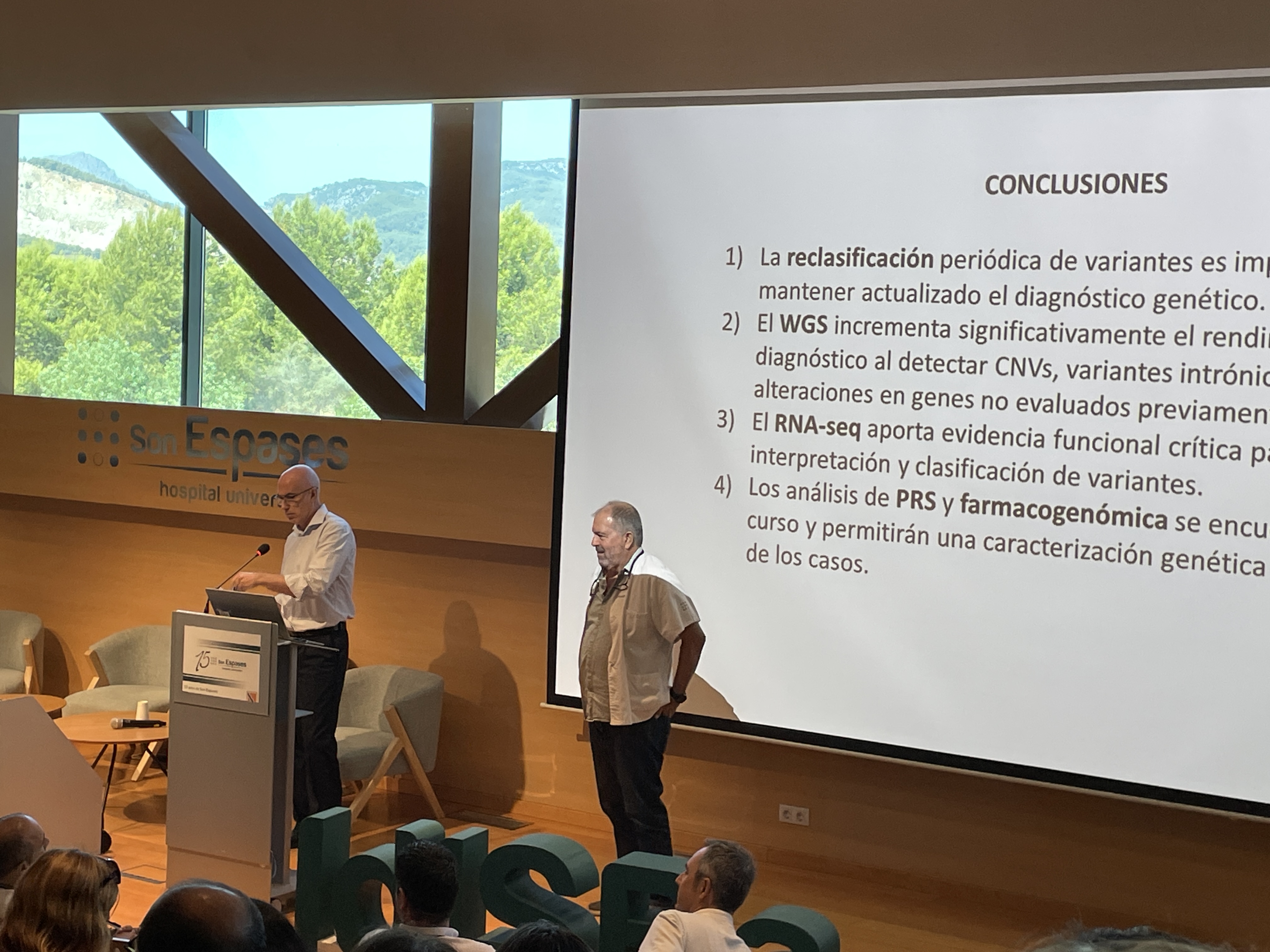
The first part of the conference was dedicated to Synergia projects. Dr. Tomás Ripoll Vera, head of the Balearic Research Group on Genetic Cardiomyopathies, Sudden Death and TTR Amyloidosis, and Dr. Damià Heine Suñer, head of the Health Genomics Group, presented the progress of the MUSIB project, focused on the study of sudden cardiac death in the Balearic Islands. The researchers explained how this pioneering initiative has enabled the analysis of hundreds of cases in collaboration with forensic services, deepening knowledge of the genetic and cardiovascular causes of this phenomenon and facilitating family studies that may contribute to preventing future cases.
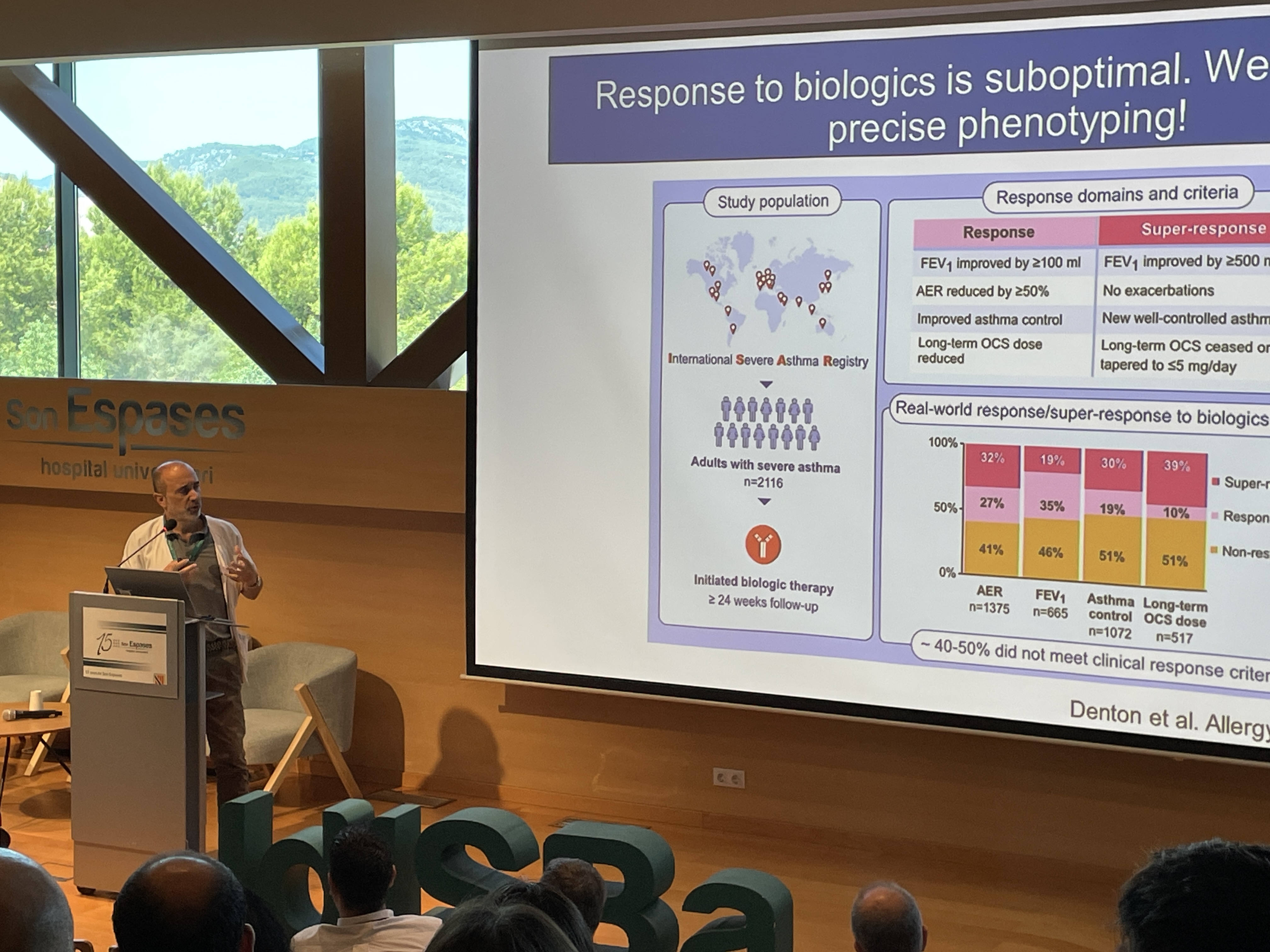
Next, Dr. Francisco de Borja García Cosío Piqueras, head of the Inflammation, Repair and Cancer in Respiratory Diseases Group (i-RESPIRE), presented the IBERIA project, an initiative developed jointly with the Multidisciplinary Sepsis Group and aimed at identifying respiratory eosinophilic biomarkers to improve the treatment of severe asthma. This research contributes to advancing more personalized medicine approaches for a disease characterized by its considerable clinical heterogeneity.
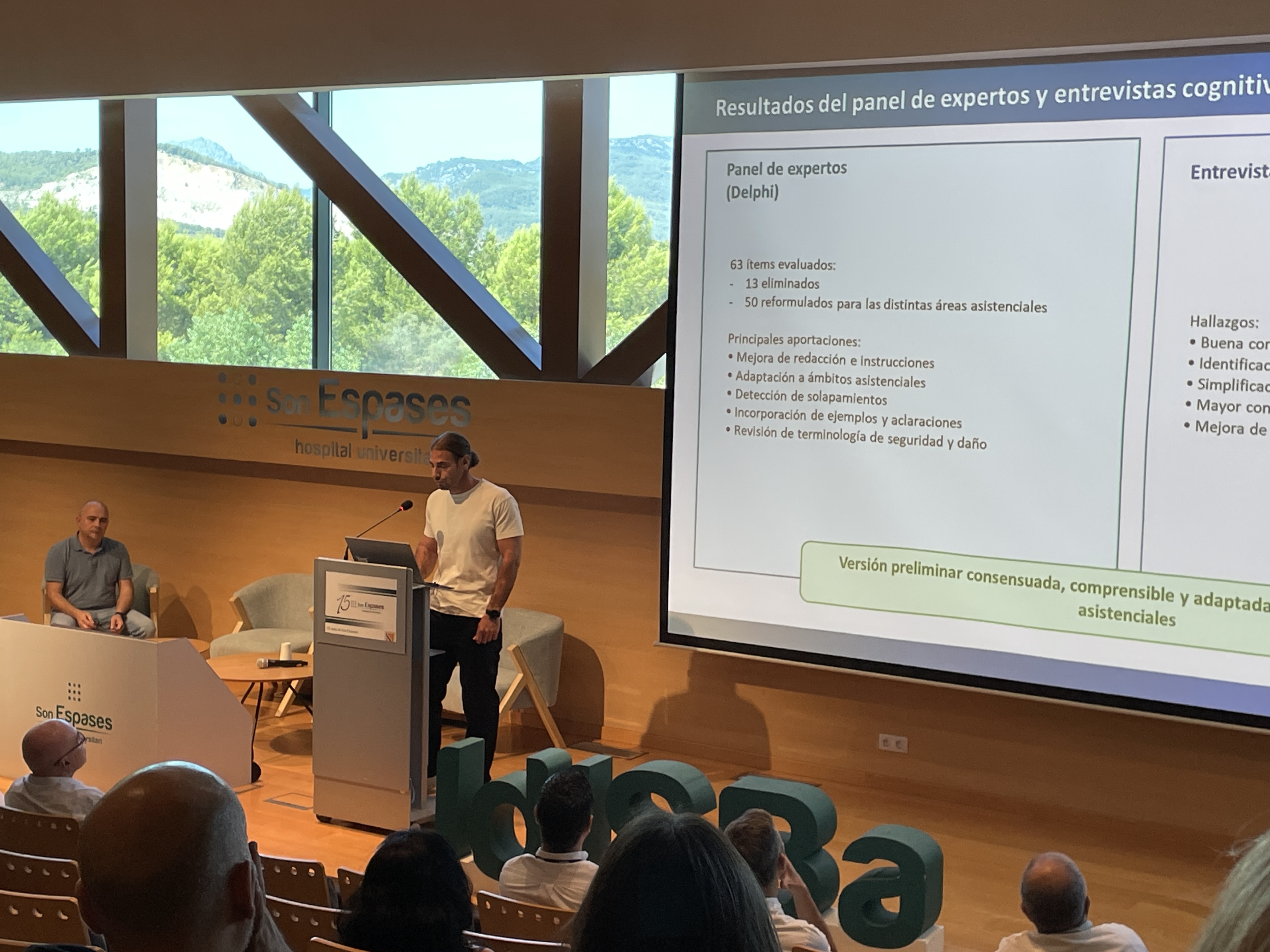
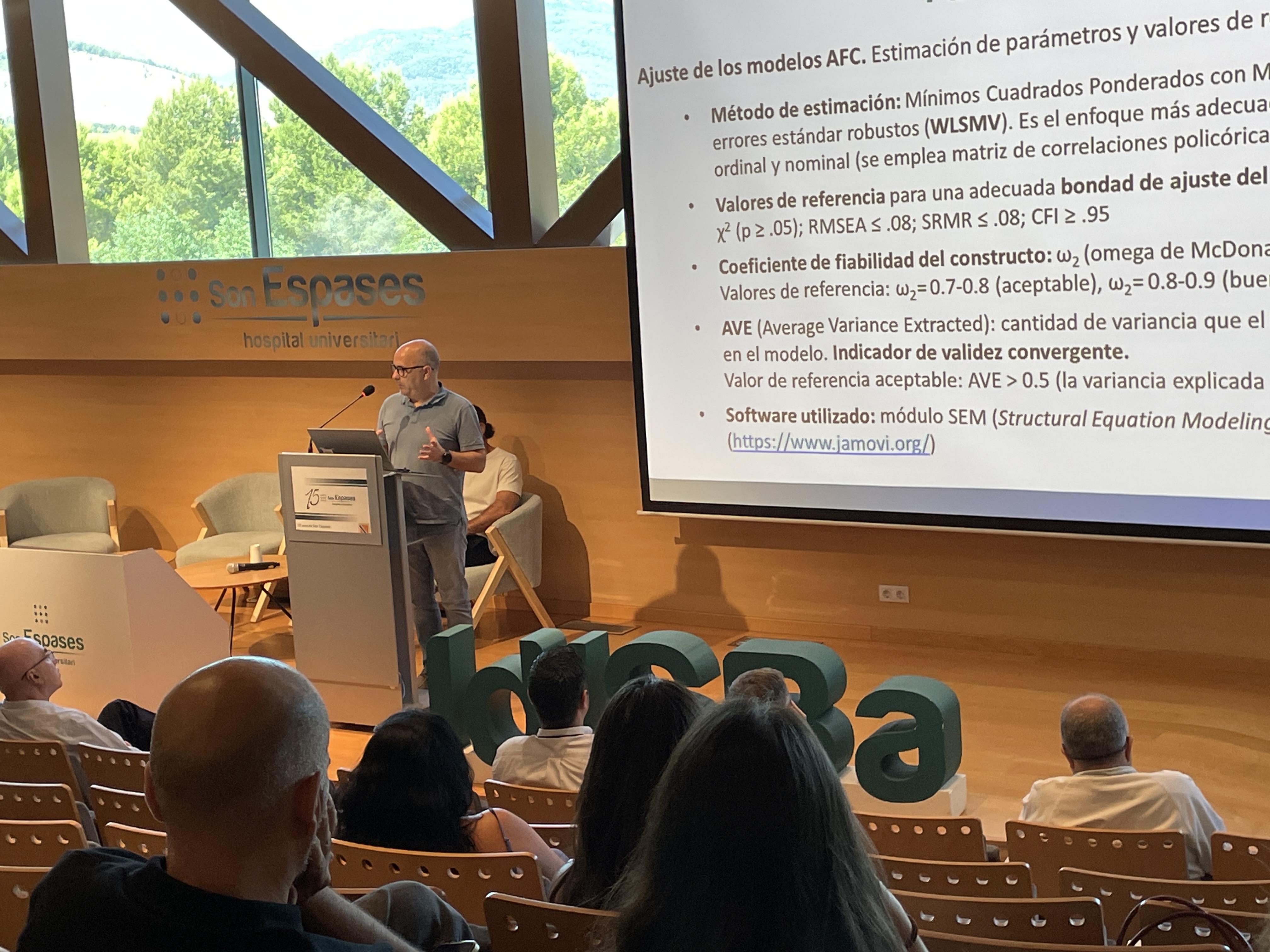
The Synergia session concluded with the presentation of the PREOS project by Dr. Ignacio Ricci Cabello, principal investigator of the Primary Care, Health Services and Evidence-Based Medicine Group (EVISAP), and Dr. Rafael Jiménez López, researcher at the Statistical and Psychometric Procedures Applied to Health Sciences Group (PSICOMEST). The study seeks to develop and validate a tool to measure patient safety from the patients' own perspective. The researchers emphasized the importance of incorporating patient experiences in order to identify potentially preventable adverse events and improve healthcare quality.
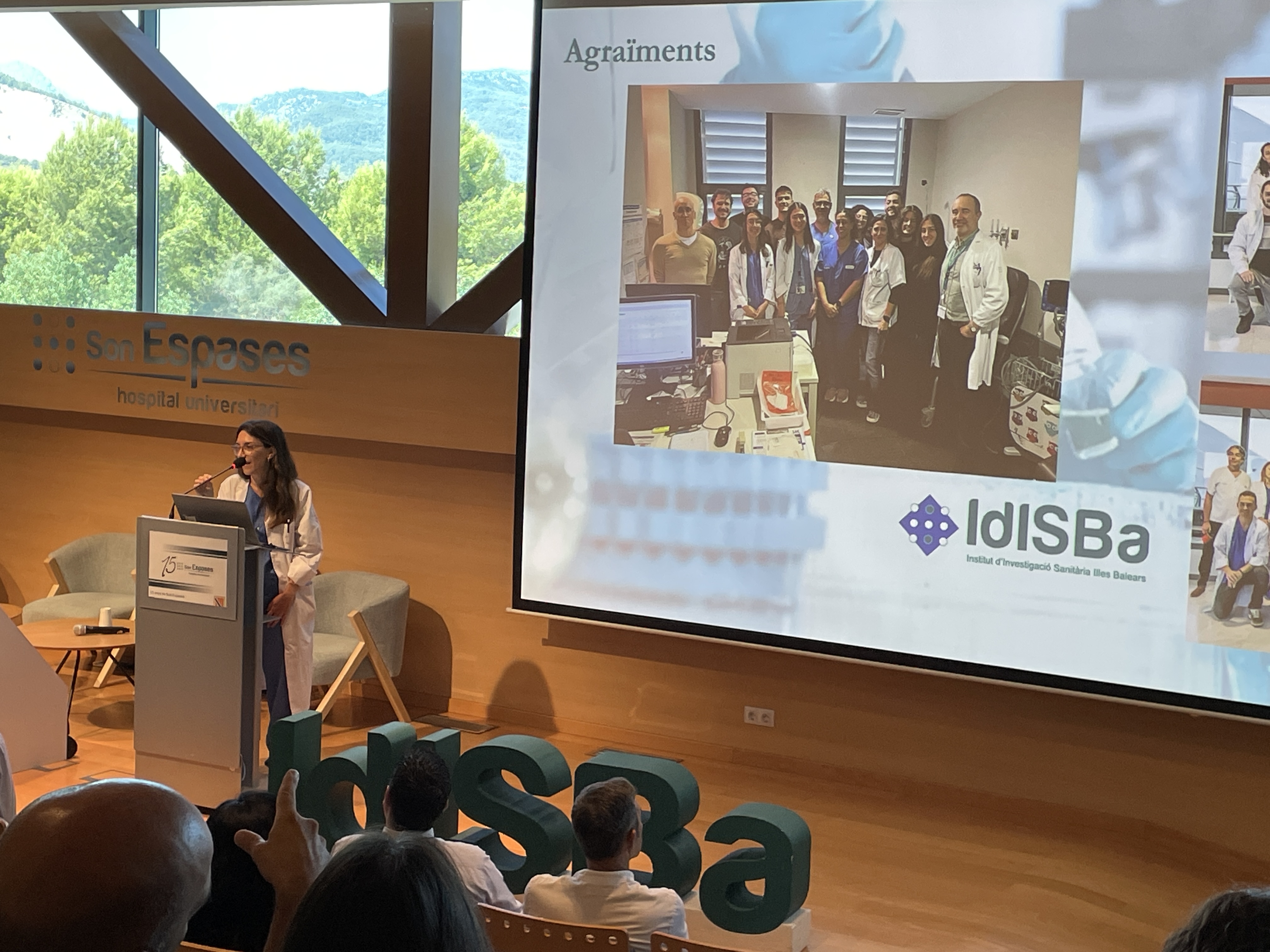
The second part of the conference focused on Primus projects. Dr. Núria Toledo Pons, researcher in the Inflammation, Repair and Cancer in Respiratory Diseases Group (i-RESPIRE), presented the FANATIK pilot project, which explores the possibility of classifying patients with Chronic Obstructive Pulmonary Disease (COPD) through the analysis of samples collected using a mask. The objective is to identify biomarkers that can better characterize different disease endotypes and predict possible exacerbations.
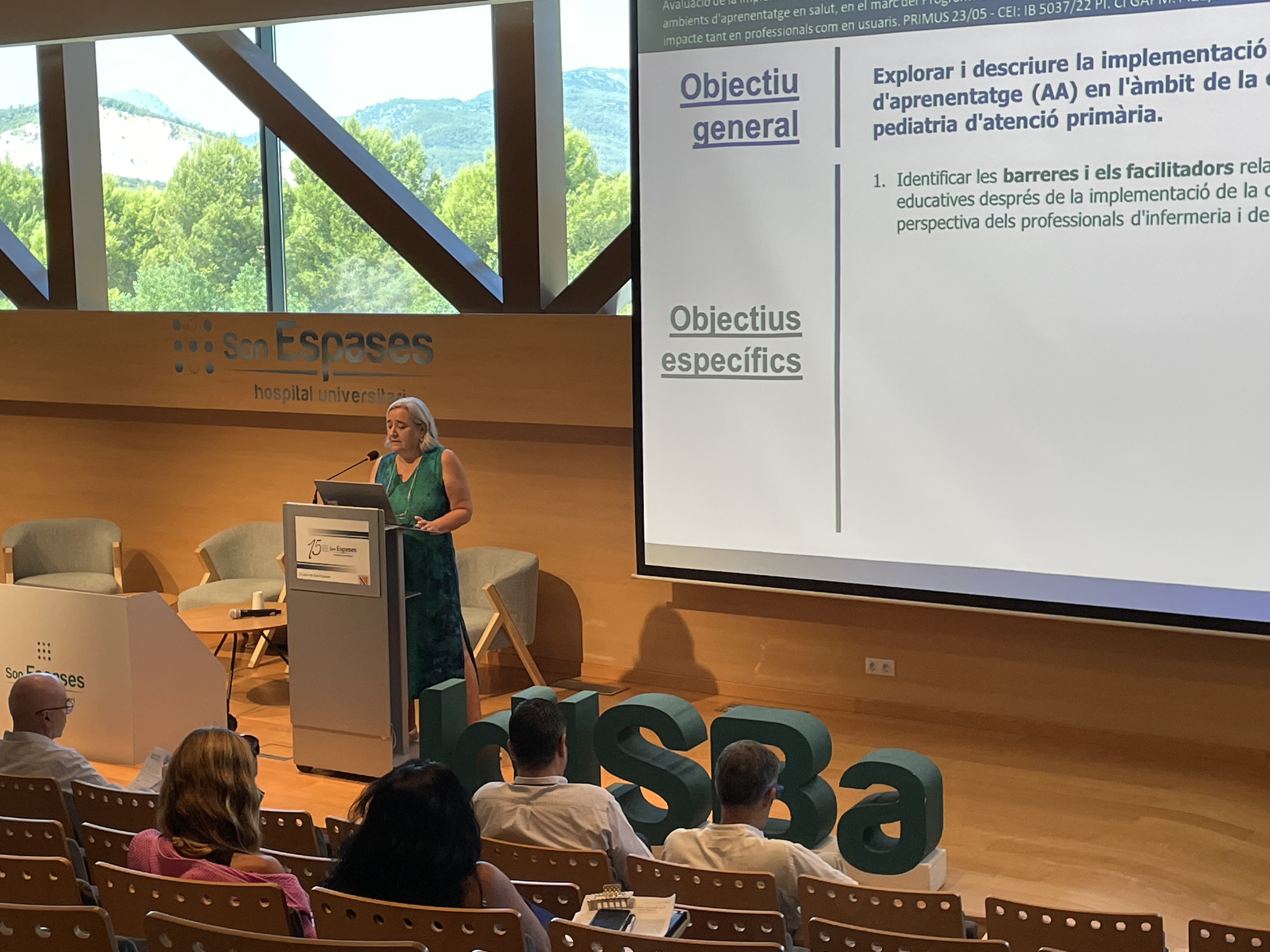
Following this, Dr. Maria Clara Vidal Thomàs, researcher at the Primary Care and Community Health Promotion Research Group of the Balearic Islands (GRAPP-caIB), presented a project aimed at evaluating the impact of changes in healthcare environments within pediatric primary care, emphasizing the benefits for both healthcare professionals and users.
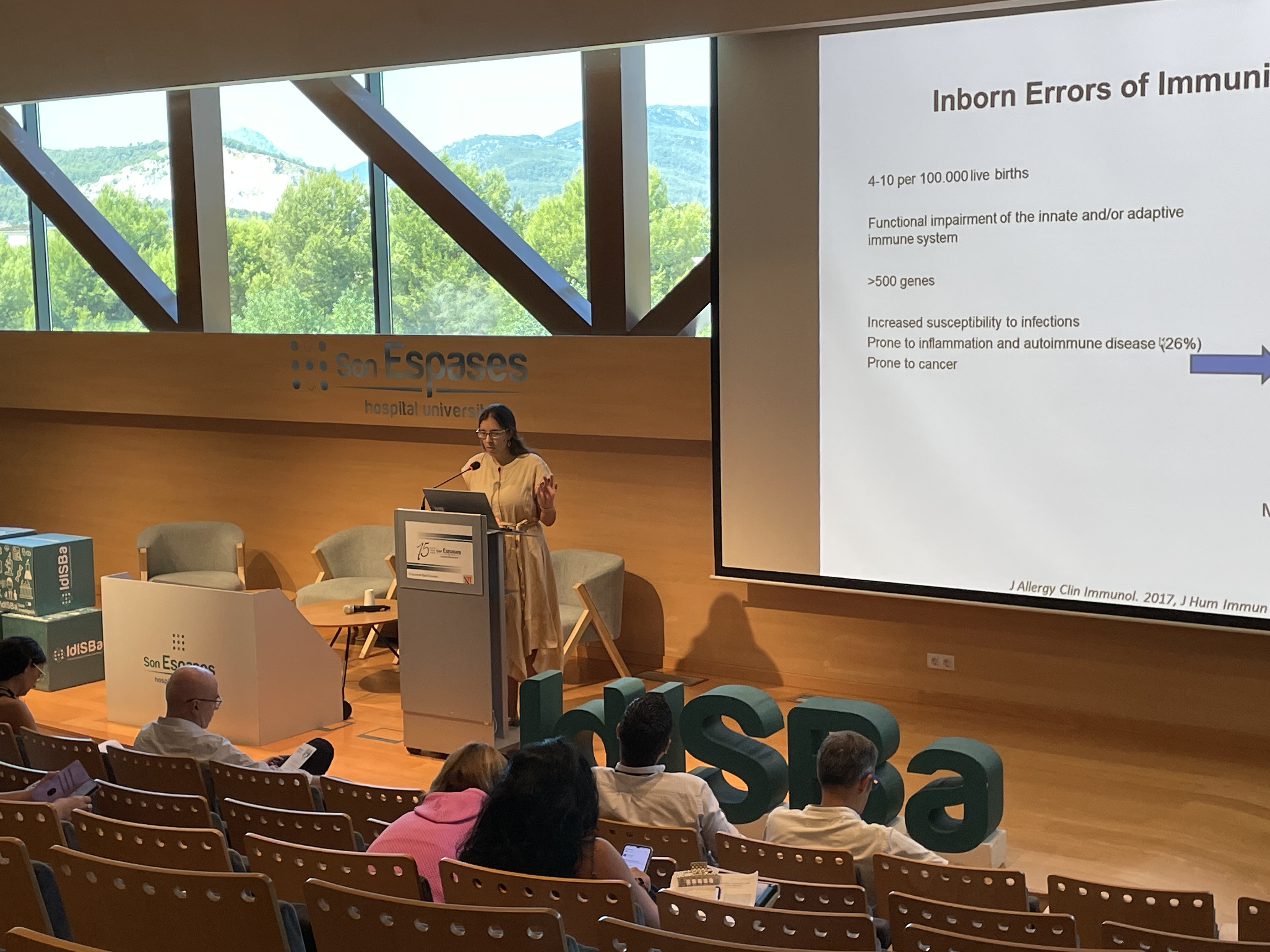
Dr. Vanessa Cerisse Daza Cajigal, researcher in the Human Pathology Immune Response Study Group, closed the Primus session with a project focused on enteropathies associated with inborn errors of immunity. This research line seeks to advance personalized treatments for patients with primary immunodeficiencies.
Finally, the Impetus programme presentations highlighted two areas of great social relevance.
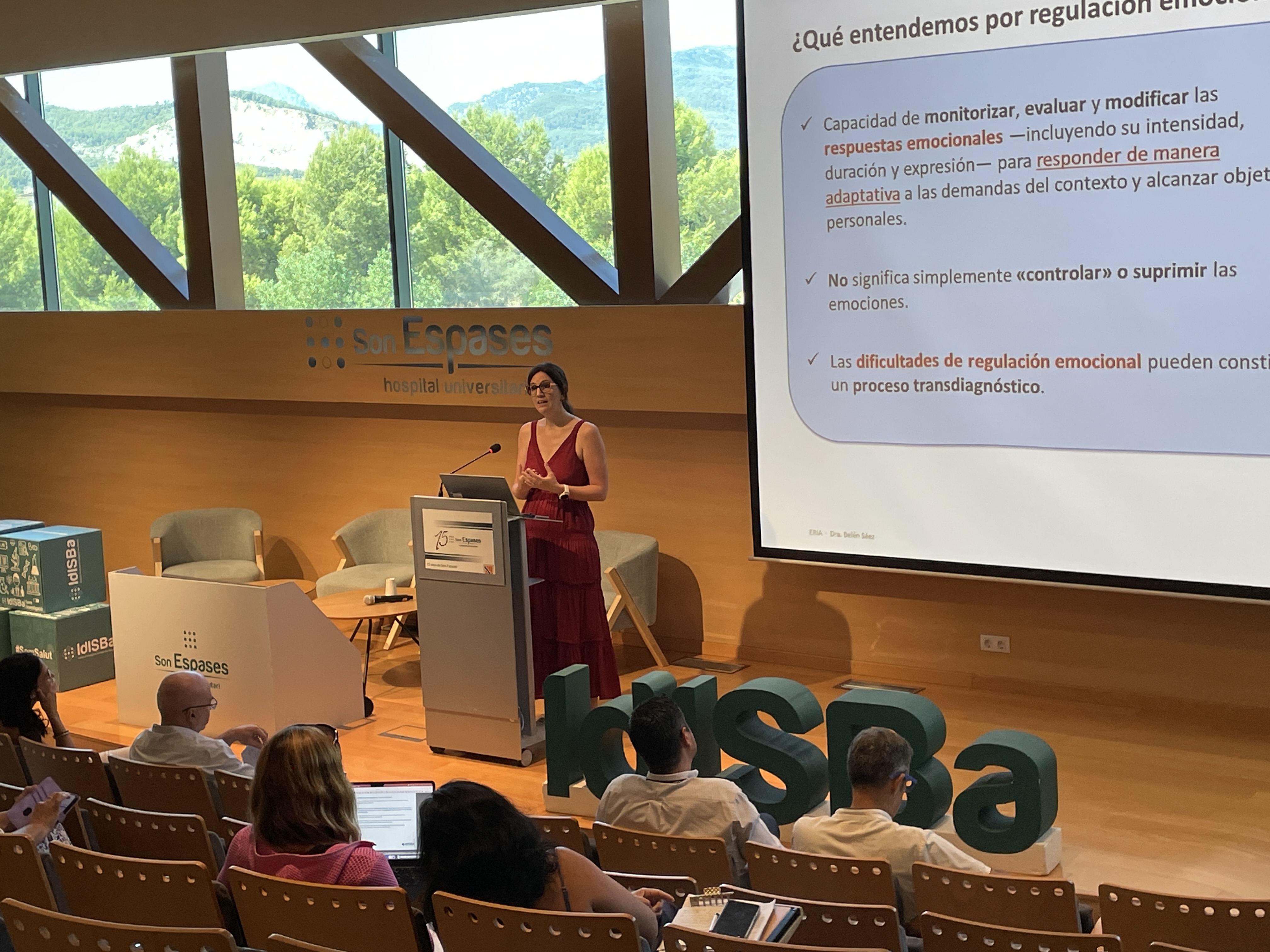
Dr. Belén Sáez Vicens, researcher in the Cognitive-Affective Neuroscience and Clinical Psychology Group (CANCLIP), shared the results of the ERIA project, which studies emotional regulation in adolescents and its relationship with neurodevelopmental disorders. The project involved the analysis of more than four hundred young people between 12 and 16 years of age.
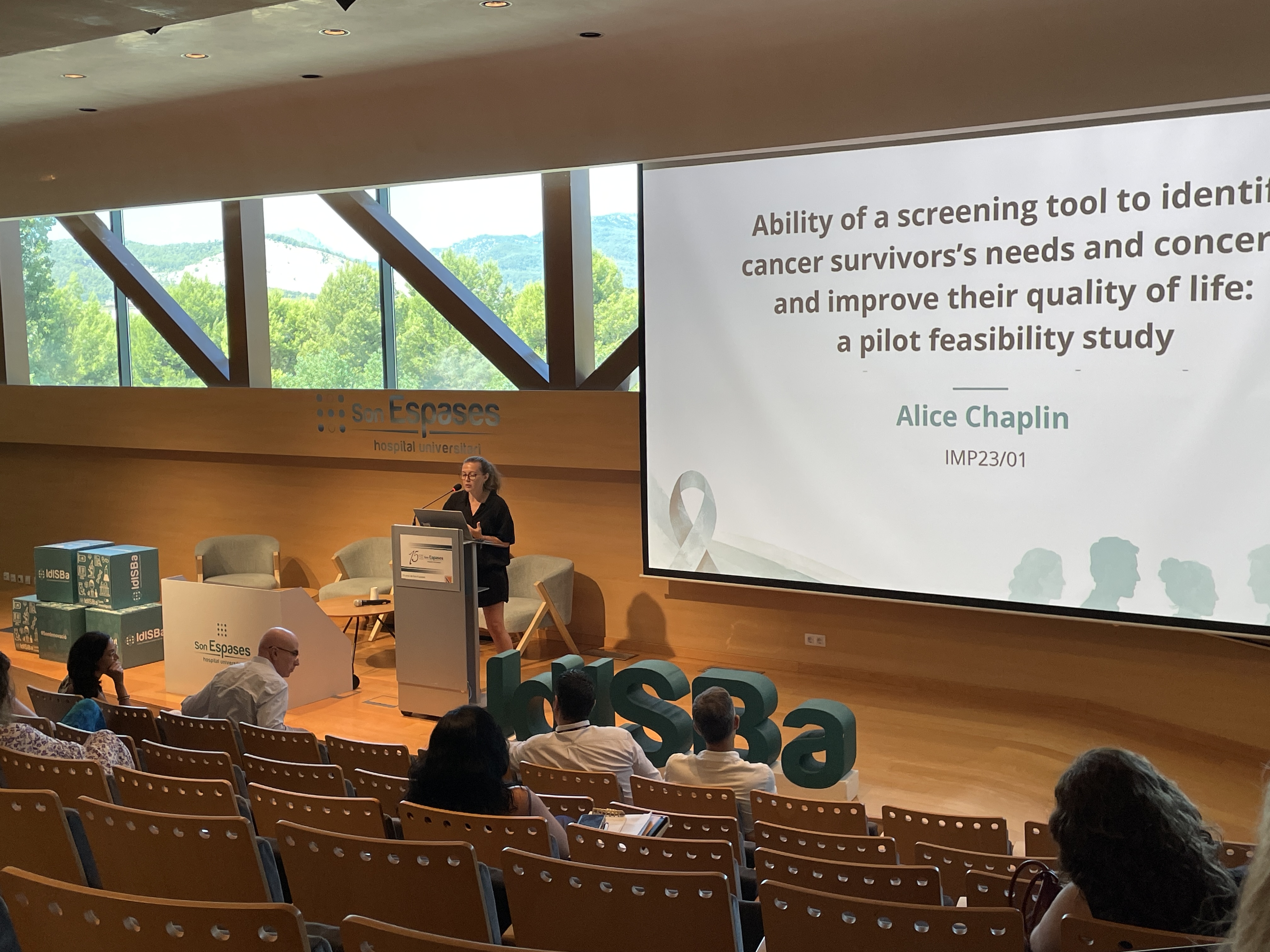
Subsequently, Dr. Alice Mary Lillian Chaplin Scott, researcher in the Nutritional Epidemiology and Cardiovascular Pathophysiology Group (NUTRECOR), presented the results of a pilot study designed to identify the needs and concerns of cancer survivors in order to improve their quality of life. She highlighted that, despite increasing cancer survival rates, many patients continue to live with physical and emotional sequelae, underscoring the importance of developing personalized recommendations tailored to each individual situation.
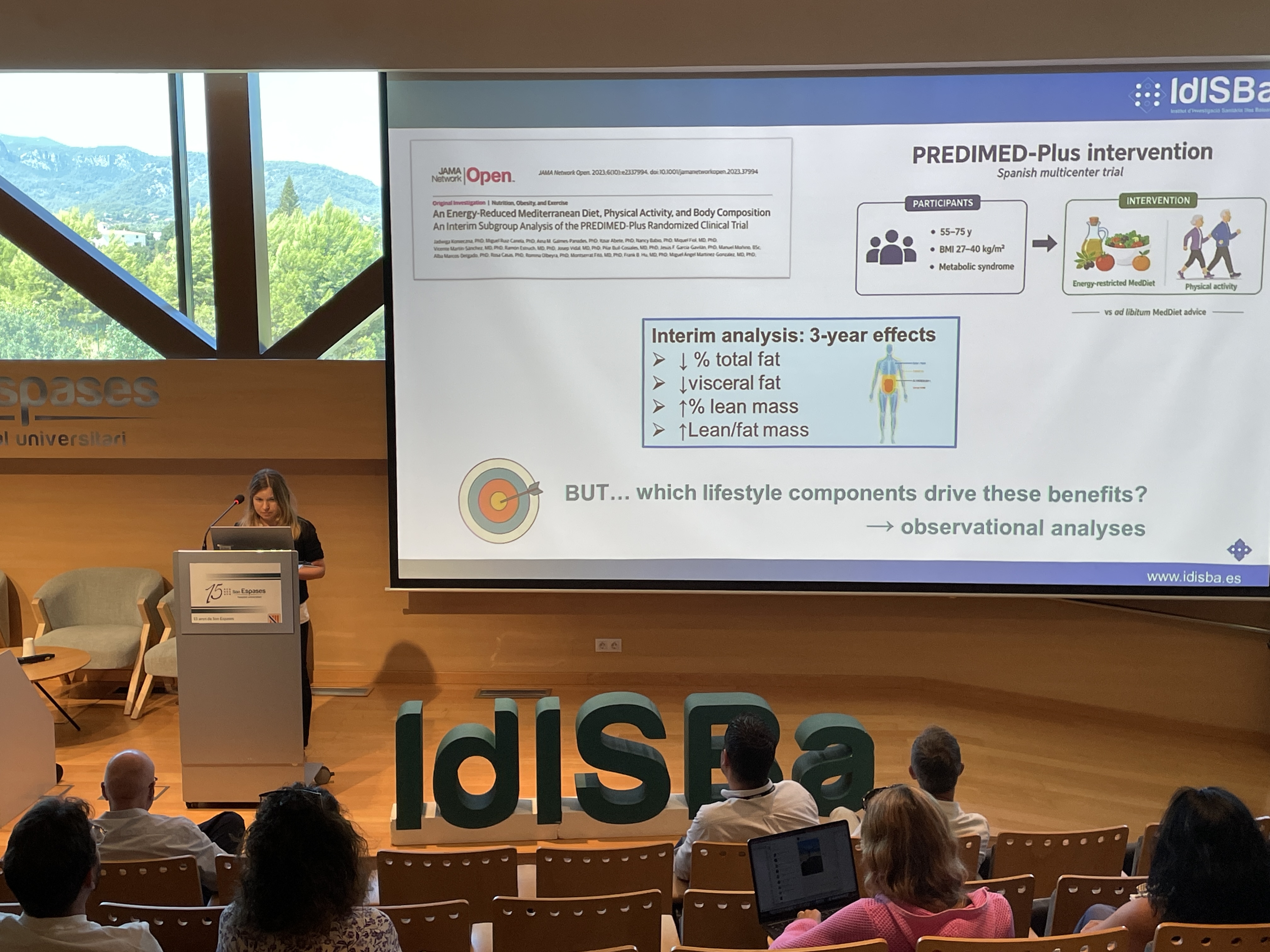
The final presentation of the conference was delivered by Dr. Jadwiga Konieczna, researcher in the Nutritional Epidemiology and Cardiovascular Pathophysiology Group (NUTRECOR), who presented the LIFE-BODYCOM project. This study focuses on the combined impact of healthy lifestyle habits on body composition in older adults. The findings, linked to the PREDIMED-Plus study, provide new evidence on the importance of maintaining healthy lifestyle patterns to prevent cardiovascular and metabolic diseases and to promote healthy ageing.
The conference highlighted the diversity and quality of the research carried out at IdISBa, as well as the crucial role played by intramural funding programmes in promoting new research projects, fostering collaboration between research groups, and supporting the consolidation of research careers. The event also encouraged researchers across the Institute to participate in the new funding calls that will open in the coming days.